Serengeti
Planning a Serengeti Safari?
Tell us your travel dates and we’ll build an itinerary around where the wildlife actually is that week.
Plan My SafariOr email us- Free, tailor-made itinerary and quote
- Licensed operator, TALA 035907
- We reply personally, usually within a few hours
Overview
Tanzania’s oldest and most celebrated national park, Serengeti spans roughly 14,750 square kilometres of savannah, acacia woodland, rocky kopjes, and seasonal wetlands in northern Tanzania. It forms the core of the wider Serengeti-Mara ecosystem, which stretches north into Kenya’s Masai Mara, and it holds one of the highest concentrations of large mammals anywhere in Africa — lion, leopard, elephant, giraffe, and the endless herds that make the Great Migration possible.
Highlights & Wildlife
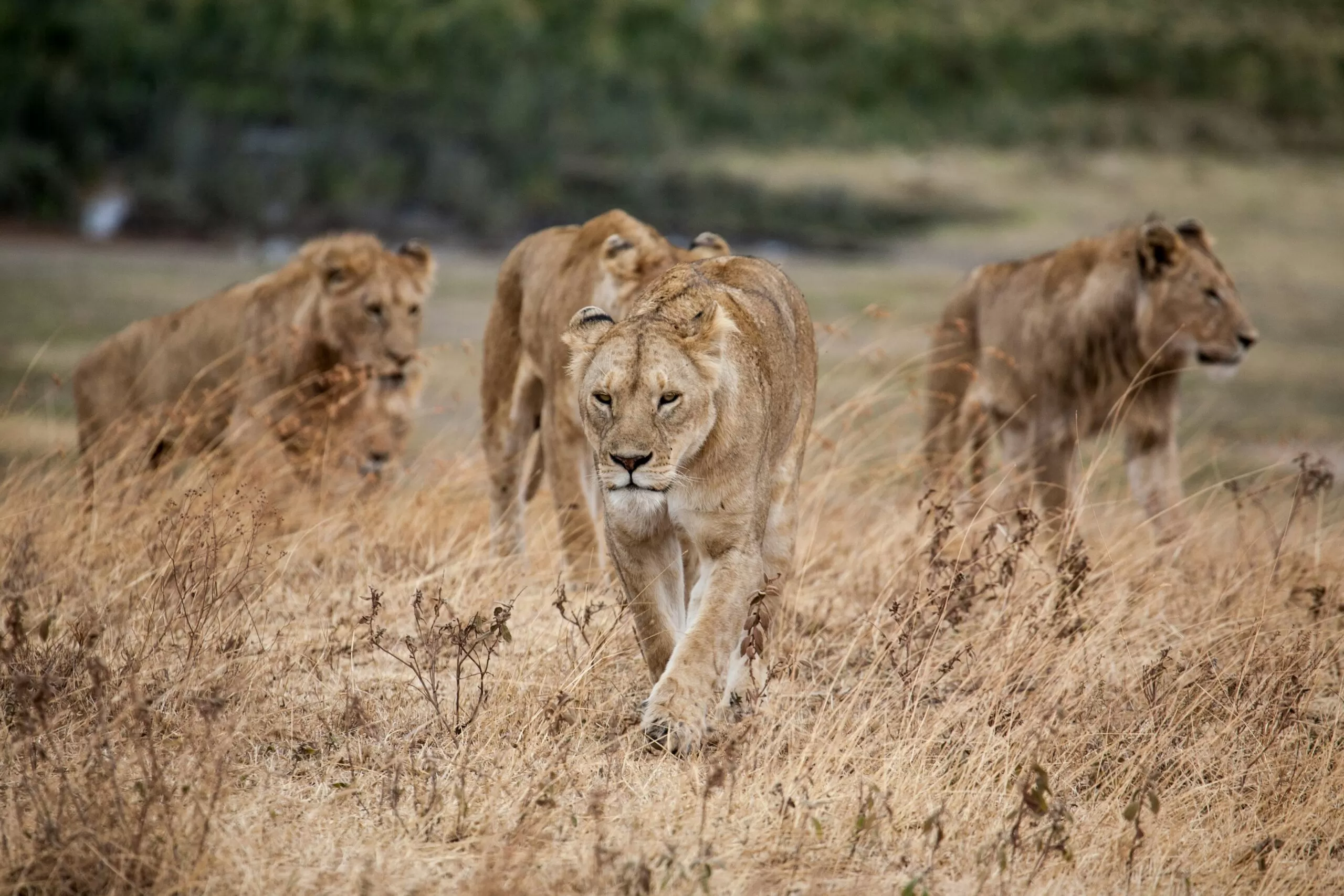
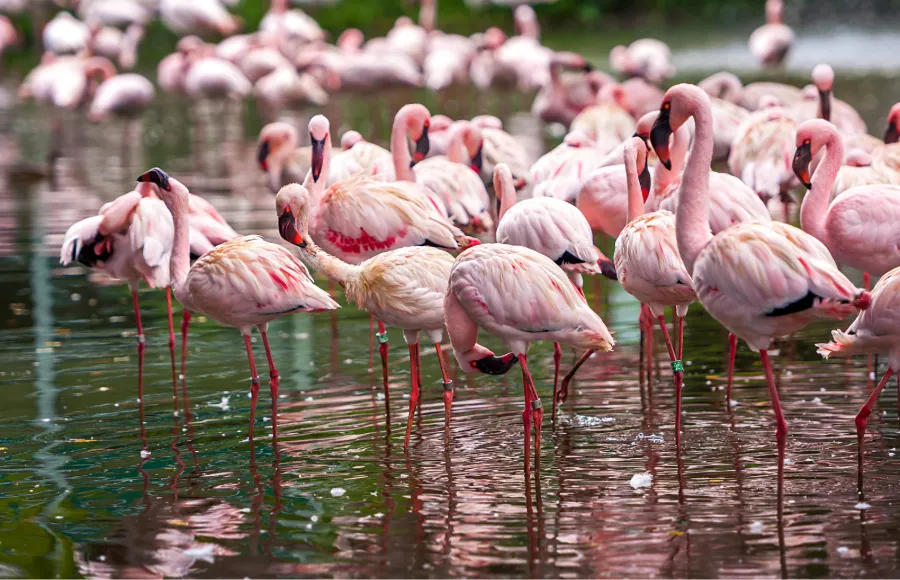
Serengeti is best known for hosting the largest terrestrial mammal migration on the planet, but the park rewards visitors well beyond that single spectacle. Resident lion prides patrol the central Seronera Valley year-round, leopards favour the riverine forests along the Grumeti, and the open plains hold some of the best cheetah-spotting in Africa. Add over 500 recorded bird species, and there’s rarely a quiet moment on a game drive.
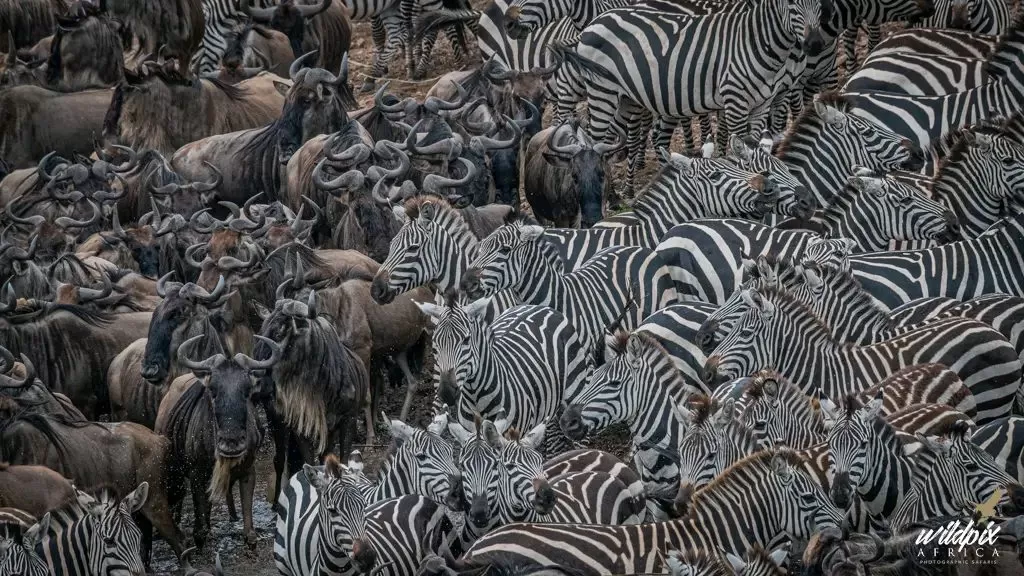
More than 1.3 million wildebeest, alongside zebra and gazelle, move through Serengeti every year as part of the Great Migration — a journey with no real beginning or end, driven entirely by rainfall.
Serengeti rewards patience. The plains look empty one moment and are transformed by a thousand moving animals the next — the trick is having a guide who knows where to wait.
Things to Do
The name “Serengeti” comes from the Maasai word “Siringet,” meaning “the place where the land runs on forever” — a nod to its endless open plains.
Best Time to Visit
| Season | What You’ll See | Best For |
|---|---|---|
| Dec – Mar | Calving season in the south, huge predator activity | Newborn wildlife, fewer crowds than July–Oct |
| Apr – May | Long rains, lush green landscapes | Lowest rates, dramatic photography |
| Jun – Oct | Dry season, Mara River crossings in the north | Peak game viewing, classic migration scenes |
| Nov | Short rains, herds moving south | Quiet camps, good value |
Getting There
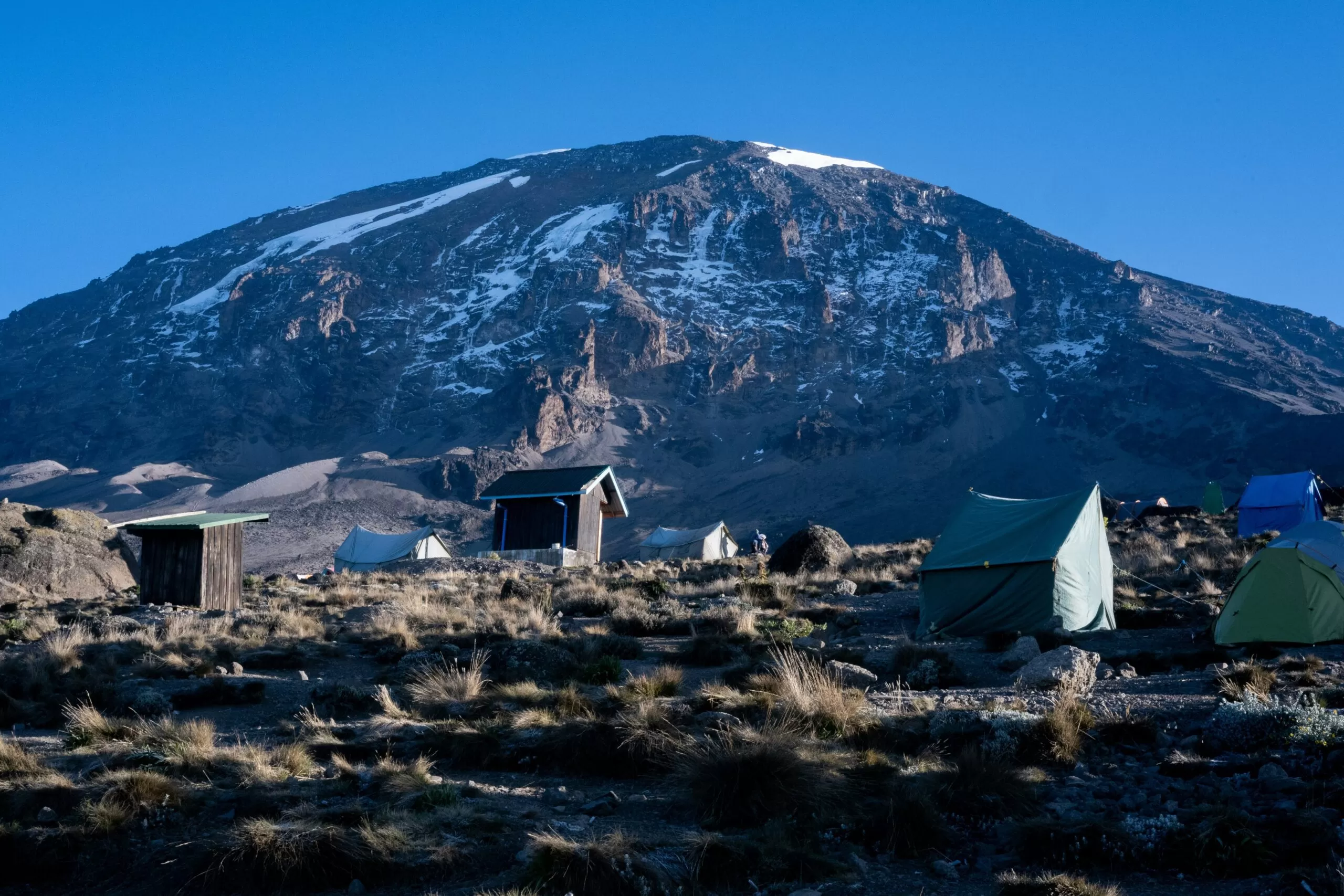
Most visitors fly into Kilimanjaro International Airport (JRO) and connect via a scenic light-aircraft flight to one of Serengeti’s airstrips, or drive up from Arusha (roughly 6–7 hours, often broken up with a stop at Ngorongoro Crater along the way). Both options work well — flying saves time, driving lets you see the Rift Valley and Ngorongoro Highlands en route.
Is Serengeti Right for You?
- You want the classic, wide-open safari landscape you’ve seen in documentaries
- You’re chasing the Great Migration, in any of its seasonal phases
- You want strong Big Five odds without needing to visit multiple parks
- You’re comfortable with longer drives between camps in exchange for space and fewer vehicles per sighting
Frequently Asked Questions
How many days do I need in Serengeti?
Three to four nights lets you cover a specific area properly; five or more if you want to combine the south and north.
Will I definitely see the migration?
The herds are somewhere in the ecosystem year-round, but river crossings specifically are most likely July through September.
Can I combine Serengeti with Ngorongoro and Zanzibar?
Yes — this is our most requested combination, and one we can build as a single seamless itinerary.
Related Day Trips


Plan Your Trip to Serengeti
Tell us your travel dates and interests and we’ll build a free, tailor-made itinerary for you.