
Tarangire National Park Safari
Plan Your Tarangire Safari
Tell us your dates and we will fit Tarangire into your route, from a one-day outing to a multi-day northern circuit.
Plan My SafariOr email usBrowse all safari packages- Free, tailor-made itinerary and quote
- Licensed operator, TALA 035907
- We reply personally, usually within a few hours
Tarangire National Park Overview
Tarangire National Park covers roughly 2,850 square kilometres of rolling grassland, acacia woodland, seasonal swamps and ancient baobab trees in northern Tanzania. It takes its name from the Tarangire River, which flows through the park and becomes a lifeline in the dry season, drawing animals from the surrounding ecosystem.
Tarangire is the safari that regular visitors keep returning to and first-timers often overlook. It rewards you with large elephant herds, a distinctive landscape and often fewer vehicles than the better-known parks. If you are researching a Tarangire National Park safari, this guide explains what to expect, when to go and how to fit it into your Tanzania itinerary.
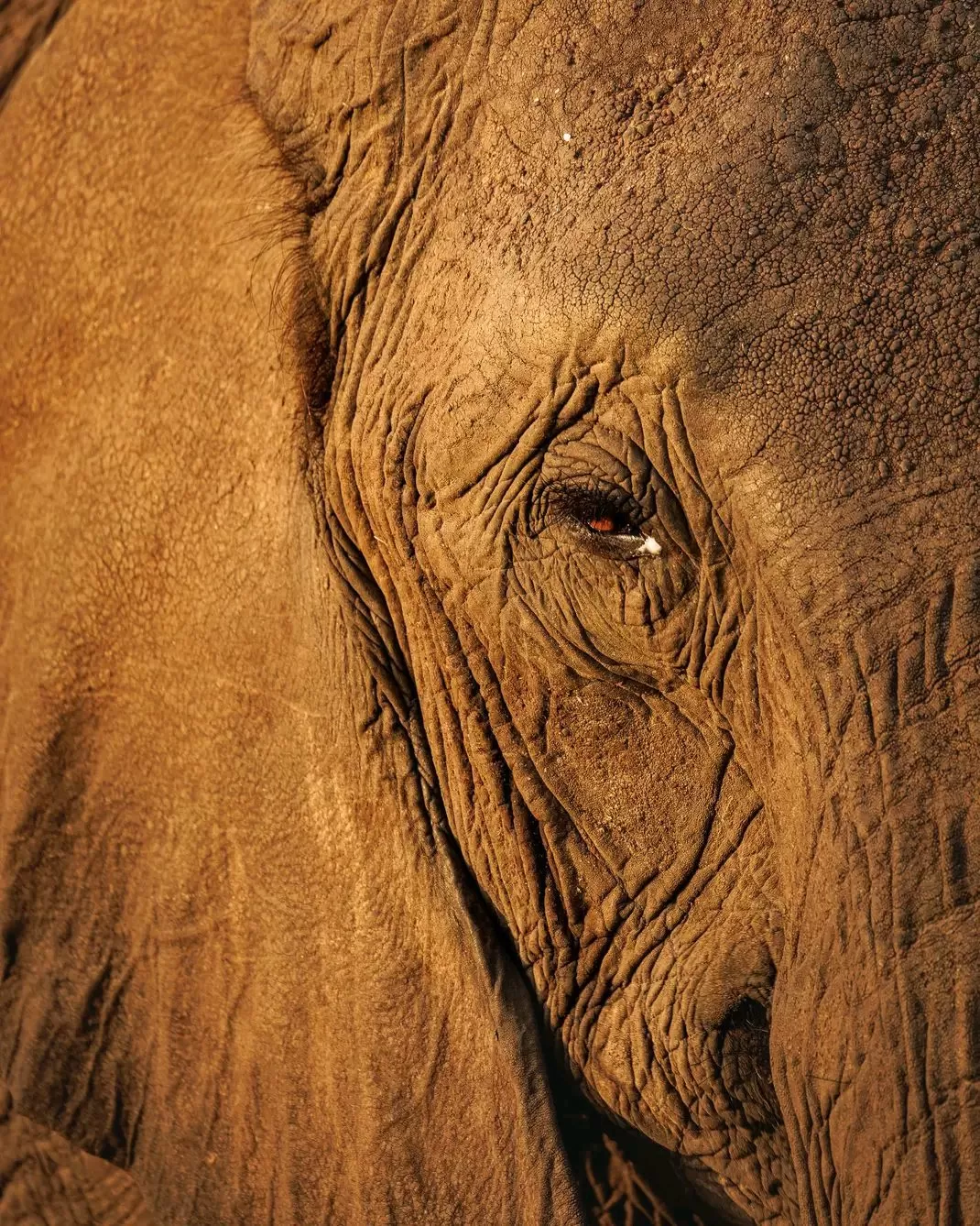
Tarangire is known for hosting some of the largest elephant gatherings in northern Tanzania, particularly in the dry season, when herds converge on the river and dig in the sandy riverbed for water.
Location and How to Get to Tarangire
Tarangire lies in Tanzania’s Manyara region, south of Lake Manyara and roughly two to two and a half hours’ drive from Arusha, depending on traffic and the gate you use. That makes it one of the most accessible parks on the northern circuit, and a popular first stop before Lake Manyara, Ngorongoro or the Serengeti.
Because it is relatively close to Arusha, Tarangire also works as a one-day safari from Arusha. See our Tarangire day trip for details, though an overnight stay lets you see far more.
Best Time to Visit Tarangire
Tarangire is rewarding all year, but wildlife viewing is at its best in the dry season.
| Months | Conditions | Best for |
|---|---|---|
| June – October | Dry season; wildlife concentrates along the river | Peak elephant sightings and easy game viewing |
| November – December | Short rains begin | Green landscapes, migratory birds and fewer visitors |
| January – February | Warm and generally drier spell | Good wildlife with a quieter park |
| March – May | Long rains | Lowest rates, lush scenery and excellent birding, with harder driving |
Weather and climate
Tarangire has a warm, semi-arid climate. Days are usually hot, especially in the dry season, and evenings are cooler. The long rains fall roughly from March to May and the short rains around November and December. Wildlife is more dispersed during and after the rains, when water is available across the wider ecosystem.
Wildlife and Birds in Tarangire
Tarangire is best known for its elephants, but its wildlife list is broad:
- Elephants, often in family herds of dozens, especially along the river in the dry season
- Lions and leopards, with lions often resting in trees or on termite mounds
- Giraffes, zebras, wildebeest, buffalo and impala
- Fringe-eared oryx and gerenuk, dry-country antelope less commonly seen elsewhere in northern Tanzania
- Greater and lesser kudu, eland and hartebeest
- Pythons, monitor lizards and warthogs
Black rhinos are not present, so Tarangire offers four of the Big Five.
Birdwatching
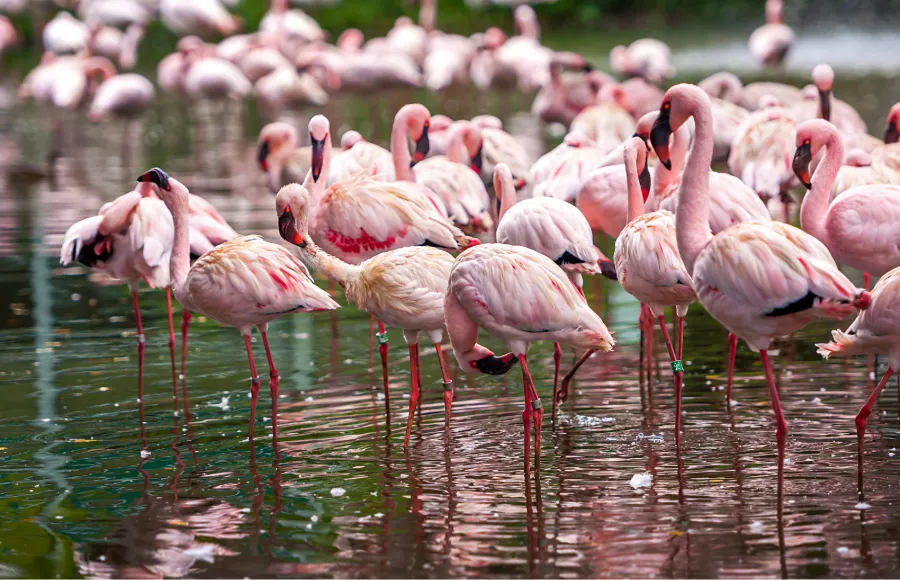
More than 550 bird species have been recorded in Tarangire, one of the highest totals of any Tanzanian park. Look for ostriches, secretary birds, hornbills, lovebirds, vultures, bee-eaters and the colourful yellow-collared lovebird. The swamps and river attract many water birds, and migrant species arrive in the wetter months.
Photo Gallery
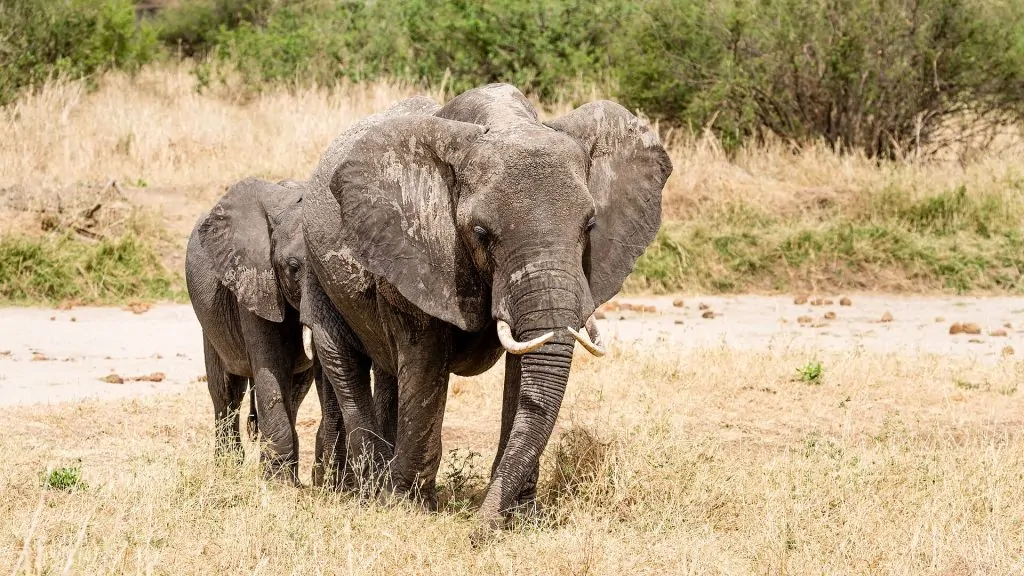
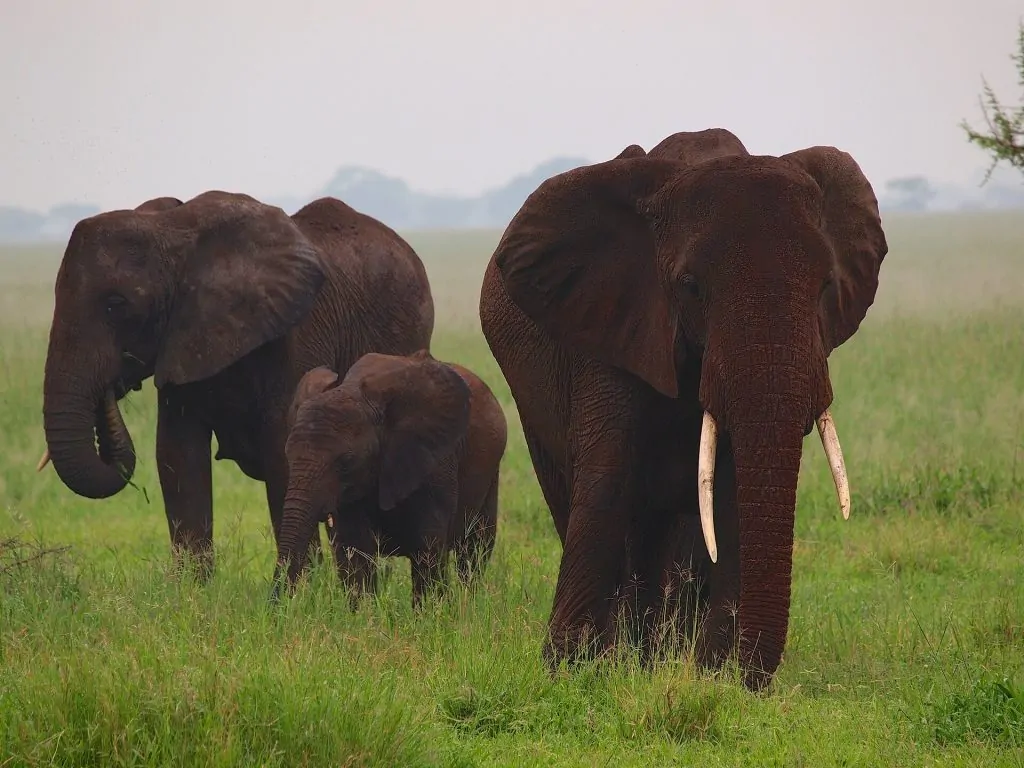
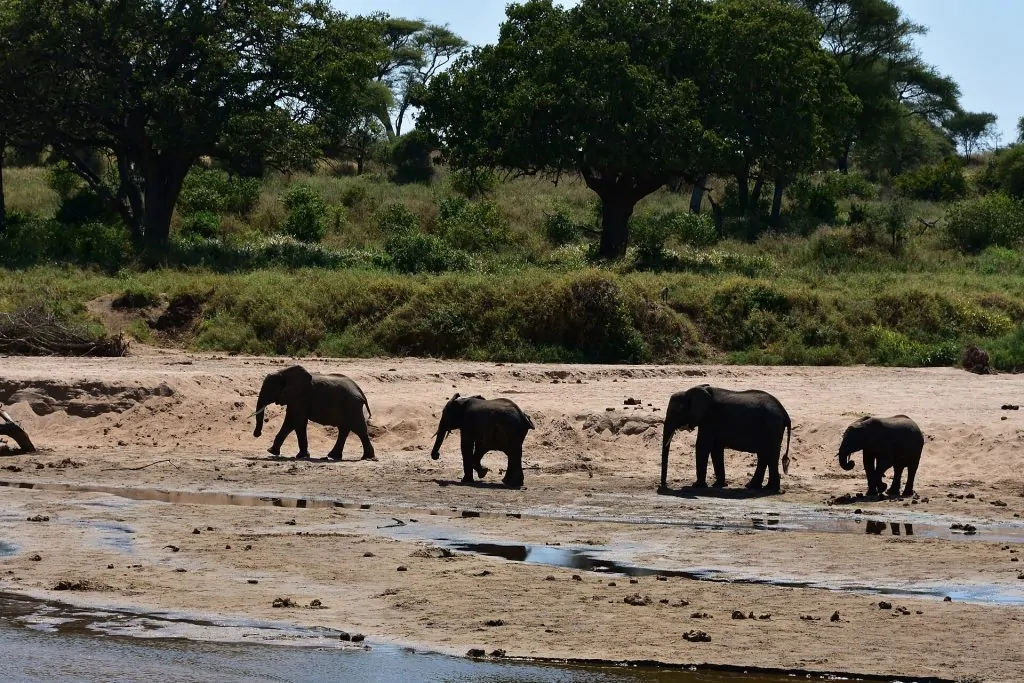
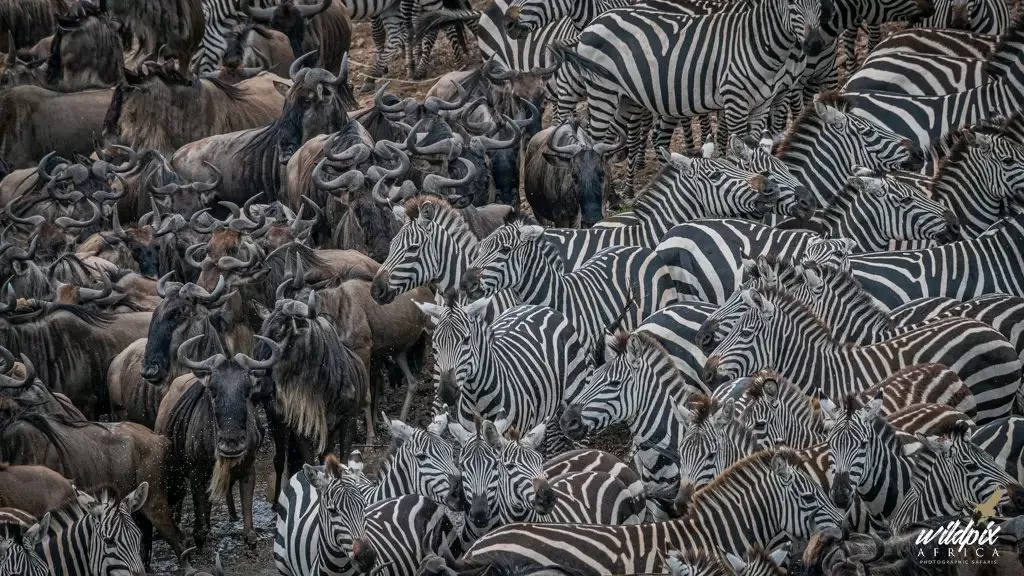
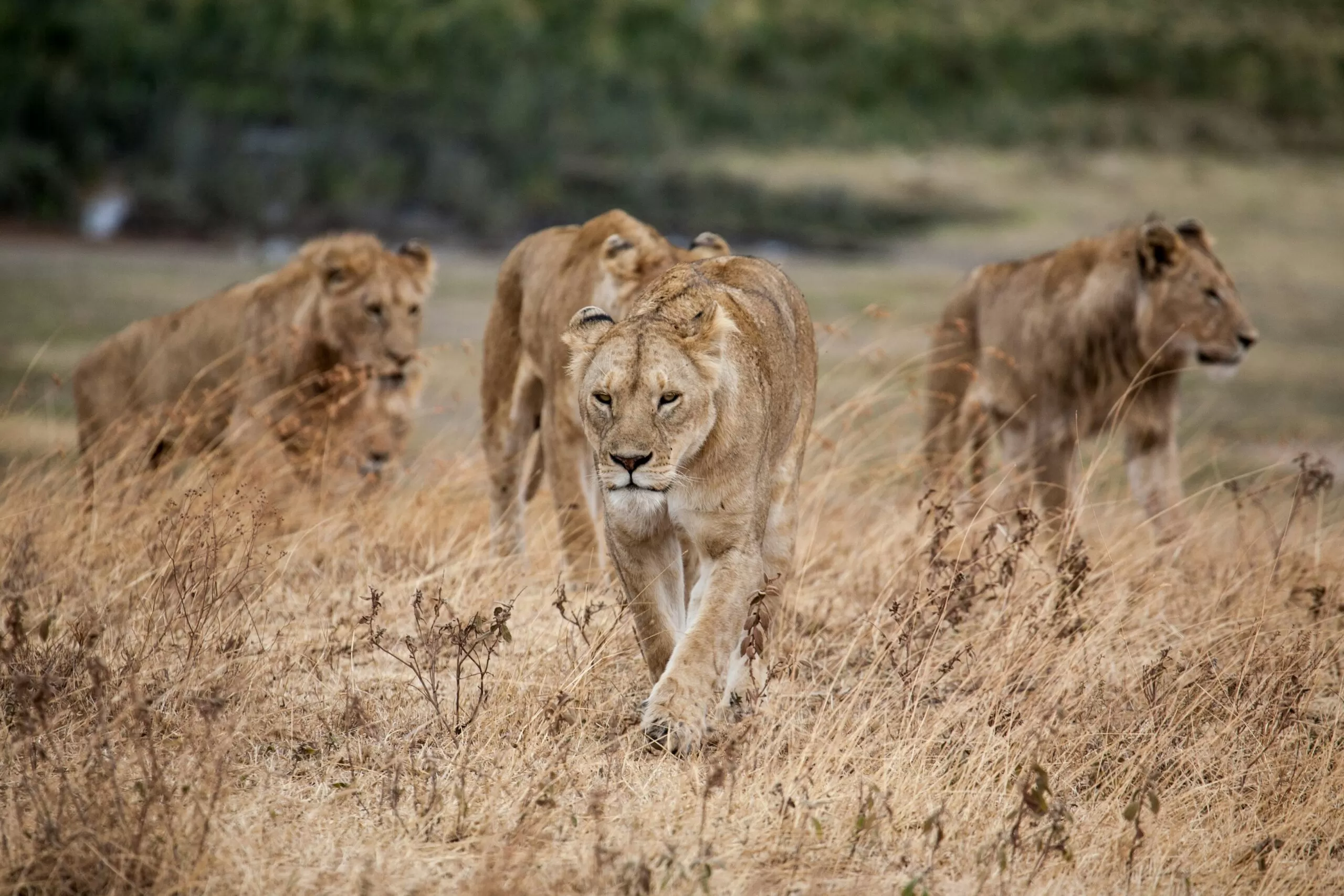
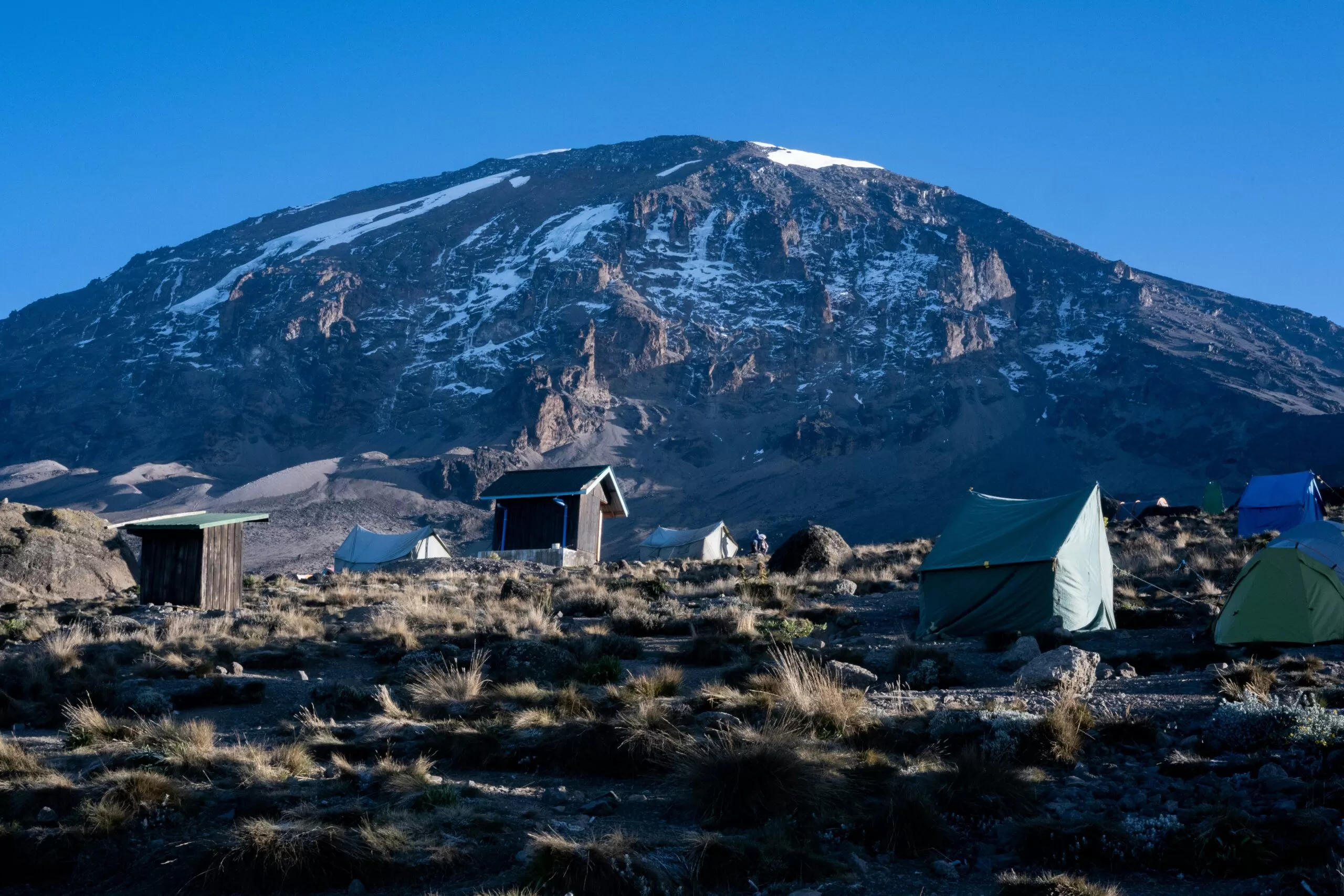
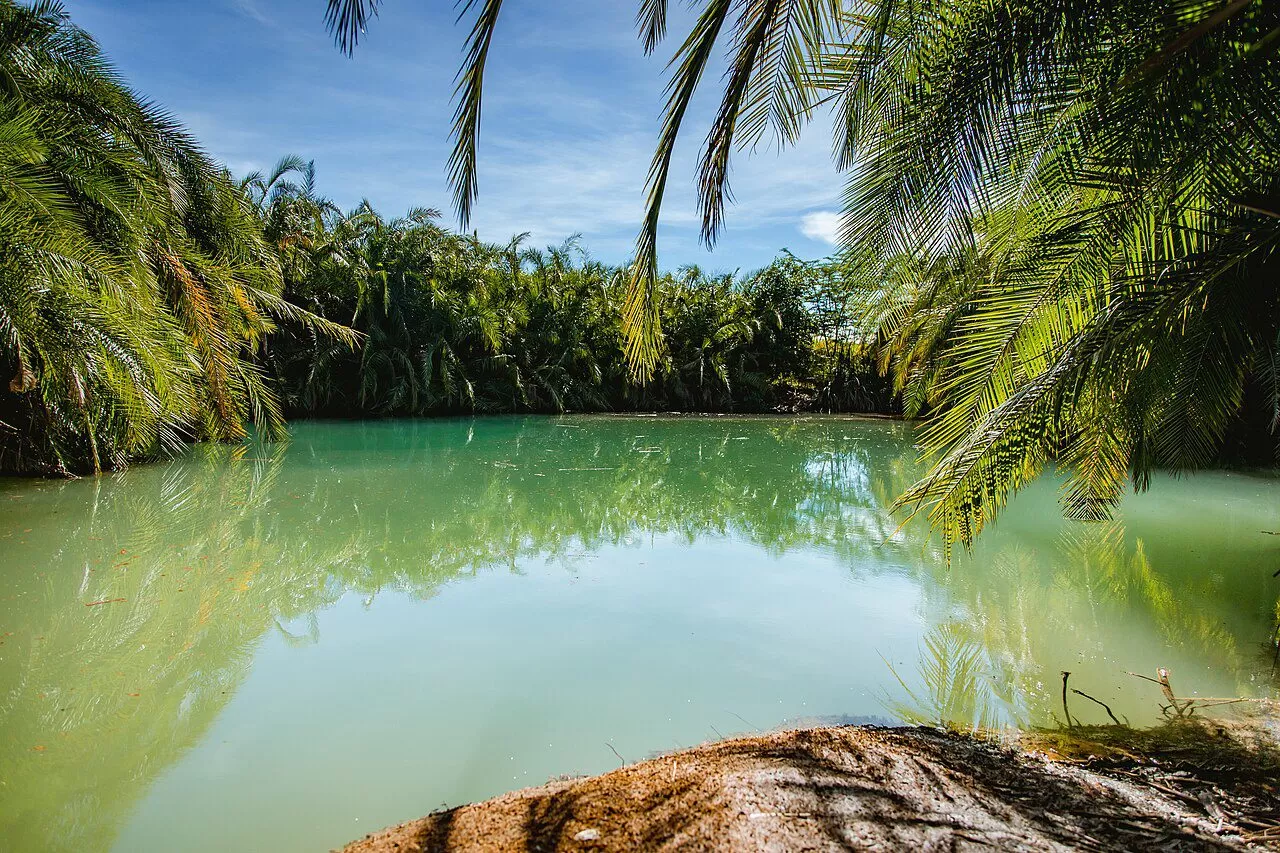
Photos by Christoph Strässler (CC BY-SA 2.0), John Mackenzie Burke (CC BY-SA 4.0), Richard Mortel (CC BY 2.0), via Wikimedia Commons.
Things to Do in Tarangire
- Game drives along the river, around the Silale swamp and through baobab country
- Guided walking safaris in designated areas with a ranger, where available
- Night game drives where permitted in areas outside the park boundary
- Birdwatching at any time of year, with the best variety in the green season
- Photography safaris among baobabs, especially at golden hour
- Cultural visits to nearby Maasai or farming communities, arranged respectfully
- Picnic lunches at scenic viewpoints
Tarangire Safari Packages and Tour Options
Tarangire fits into many itineraries:
- Day trip from Arusha for a short, wildlife-focused outing
- Two-day safaris pairing Tarangire with Ngorongoro or Lake Manyara
- Northern circuit safaris of four to seven days linking Tarangire, Manyara, Ngorongoro and the Serengeti
- Cultural experience safaris that include time with local communities
- Longer safari and beach holidays that finish in Zanzibar
Accommodation in and Around Tarangire
Permanent lodges and luxury tented camps with private bathrooms, river or baobab views and fine dining, set inside or on the edge of the park.
Comfortable tented camps and lodges with good facilities, many with views over the river valley, offering strong value.
Camping and simple accommodation in and around the park, with shared facilities for travellers on a tighter budget.
We recommend options that suit your budget and your wish to be close to the river, and we explain what is included in your quote.
Tarangire Park Fees and Costs
Tarangire National Park is managed by Tanzania National Parks (TANAPA). Fees are charged per person for each 24-hour period, with lower rates for children, and additional charges apply for vehicles and for camping or lodge stays inside the park. Taxes may also apply.
Because official rates change and vary by season, we do not publish a figure that could become outdated. Your Zege Safaris quote shows the current official park fees and exactly what is included, and you can also check the TANAPA website for official information.
How Many Days and What to Pack
Recommended length of stay
One full day gives a good taste, but one or two nights let you see the park in both morning and evening light, when animals are most active. It combines easily with Manyara and Ngorongoro.
Travel tips
- Visit in the dry season for the greatest concentration of elephants
- Bring plenty of water, as the park can be hot and dry
- Ask your guide about the quieter corners of the park
- Keep your distance from elephants, particularly with calves
What to pack
- Light, neutral-coloured clothing and a warm layer for early mornings
- Wide-brimmed hat, sunglasses and sunscreen
- Binoculars and a camera with a zoom lens
- Insect repellent and a refillable water bottle
Accessibility
The park is reached on good tarmac to the gate, with game-drive tracks that can be bumpy in the wet season. Let us know of any mobility needs so we can plan suitable vehicles and accommodation.
Culture, Families and Honeymoons
The villages around Tarangire are home to Maasai and other communities, and cultural visits can add depth to your safari when done respectfully. Learn how we work with local people on our Community Projects page.
Families: Tarangire’s shorter drive from Arusha and abundant elephants make it a good choice for families with children.
Honeymoons: A tented camp beneath the baobabs, with a sundowner overlooking the river, is a quiet and romantic alternative to the busier parks.
Combine Tarangire With Other Destinations
- Lake Manyara National Park, a short drive away
- Ngorongoro Crater for an unforgettable caldera descent
- Serengeti National Park for the Great Migration
- Mkomazi National Park for a quieter conservation-focused addition
- Zanzibar and Mount Kilimanjaro to extend your trip
- All safari packages and our travel stories
Is Tarangire Right for You?
- You want large elephant herds without the crowds of busier parks
- You are drawn to distinctive landscapes of baobabs, river and open grassland
- You are a birder, or travelling with one
- You want an easy, short-drive addition to a longer northern circuit itinerary
Tarangire Safari FAQs
How far is Tarangire from Arusha?
Roughly a two to two and a half hour drive, depending on traffic and which gate you use, which makes it one of the easiest parks to reach.
How long should I spend in Tarangire?
One full day is enough for a taste, while one or two nights let you experience the river in the best light.
What animals can I see in Tarangire?
Elephants, lions, leopards, giraffes, zebras, wildebeest, buffalo and dry-country antelope such as fringe-eared oryx and gerenuk are all possible. Rhinos are not found there.
When is the best time to visit Tarangire?
June to October for the biggest elephant and wildlife concentrations along the river. The green season is good for birds and quieter roads.
How much does it cost to visit Tarangire?
Park fees are set by TANAPA and charged per person per 24 hours, with extra vehicle and camping fees. Rates change, so we include current official figures in your quote.
Is Tarangire good for a first safari?
Yes, especially combined with Ngorongoro or the Serengeti. It adds variety without adding much travel time.
Can I combine Tarangire with the Serengeti or Zanzibar?
Yes. Tarangire is often the first stop on a northern circuit that continues to the Serengeti and ends with a beach stay in Zanzibar.
Is Tarangire suitable for families and couples?
Yes. The short drive and abundant elephants suit families, and the quiet camps are popular with couples.
Related Day Trips

Plan Your Trip to Tarangire
Tell us your travel dates and interests and we’ll build a free, tailor-made itinerary for you.
Personally Guided
You are met and guided by our own team in person, not routed through a call centre.
One Simple Deposit
A single 30% deposit confirms your booking. We pay lodges, park fees and other costs for you.
Licensed and Local
Based in Arusha and operating under Tanzania Tourist Board licence TALA 035907.
Built Around Conditions
Itineraries follow current wildlife and weather, not a fixed brochure route.