Ngorongoro Crater Tours & Safari
Plan Your Ngorongoro Safari
Share your dates and interests and we will arrange the crater descent, accommodation and a smooth route to the Serengeti.
Plan My SafariOr email usBrowse all safari packages- Free, tailor-made itinerary and quote
- Licensed operator, TALA 035907
- We reply personally, usually within a few hours
Ngorongoro Crater Overview
The Ngorongoro Crater is one of the world’s great natural wonders: a vast volcanic caldera whose floor covers about 260 square kilometres, enclosed by steep walls rising roughly 600 metres above the grassland, lakes and forest below. It sits inside the Ngorongoro Conservation Area, a UNESCO World Heritage Site since 1979, which is a multiple-use area where wildlife, Maasai pastoralists and conservation exist side by side.
A Ngorongoro Crater tour is usually a half-day to full-day game drive on the crater floor, but the conservation area offers much more than the crater itself, including Olduvai Gorge, the highland craters of Olmoti and Empakaai, and the southern Serengeti plains around Ndutu.
Technically the Ngorongoro Crater is a caldera, formed when a giant volcano collapsed in on itself. Because the walls trap resident wildlife, animals live there year-round, which is why sightings are so reliable.
Location and How to Get to Ngorongoro Crater
The conservation area lies in northern Tanzania, west of Arusha, between Lake Manyara and the Serengeti. The crater rim is roughly 190 kilometres from Arusha, normally a drive of around three and a half to four hours depending on traffic and stops, via Mto wa Mbu and Karatu.
Most travellers visit as part of a northern circuit safari, either on the way to the Serengeti or on the return. A one-day trip from Arusha is possible, but it means a very early start and a long day, so we usually recommend at least one night near the rim or in Karatu. See our Ngorongoro Crater day trip if you are short on time.
Best Time to Visit Ngorongoro Crater
The crater is a year-round destination because its wildlife is resident, but the season changes the experience.
| Months | Conditions | Best for |
|---|---|---|
| June – October | Dry season, cooler and clear | Easiest game viewing, strong big cat and rhino chances, but busiest in July to September |
| January – February | Warm, mostly dry spell | Good wildlife with fewer visitors; nearby Ndutu calving season |
| November – December | Short rains | Green scenery, birdlife and quieter roads |
| March – May | Long rains | Lowest rates and lush landscapes, with some muddy roads |
Weather and climate
The crater floor is warm, but the rim sits at about 2,300 metres, so mornings and nights there are cold and sometimes misty. Bring warm layers even in the dry season. Rain is more likely from March to May and in November and December.
Wildlife in Ngorongoro Crater
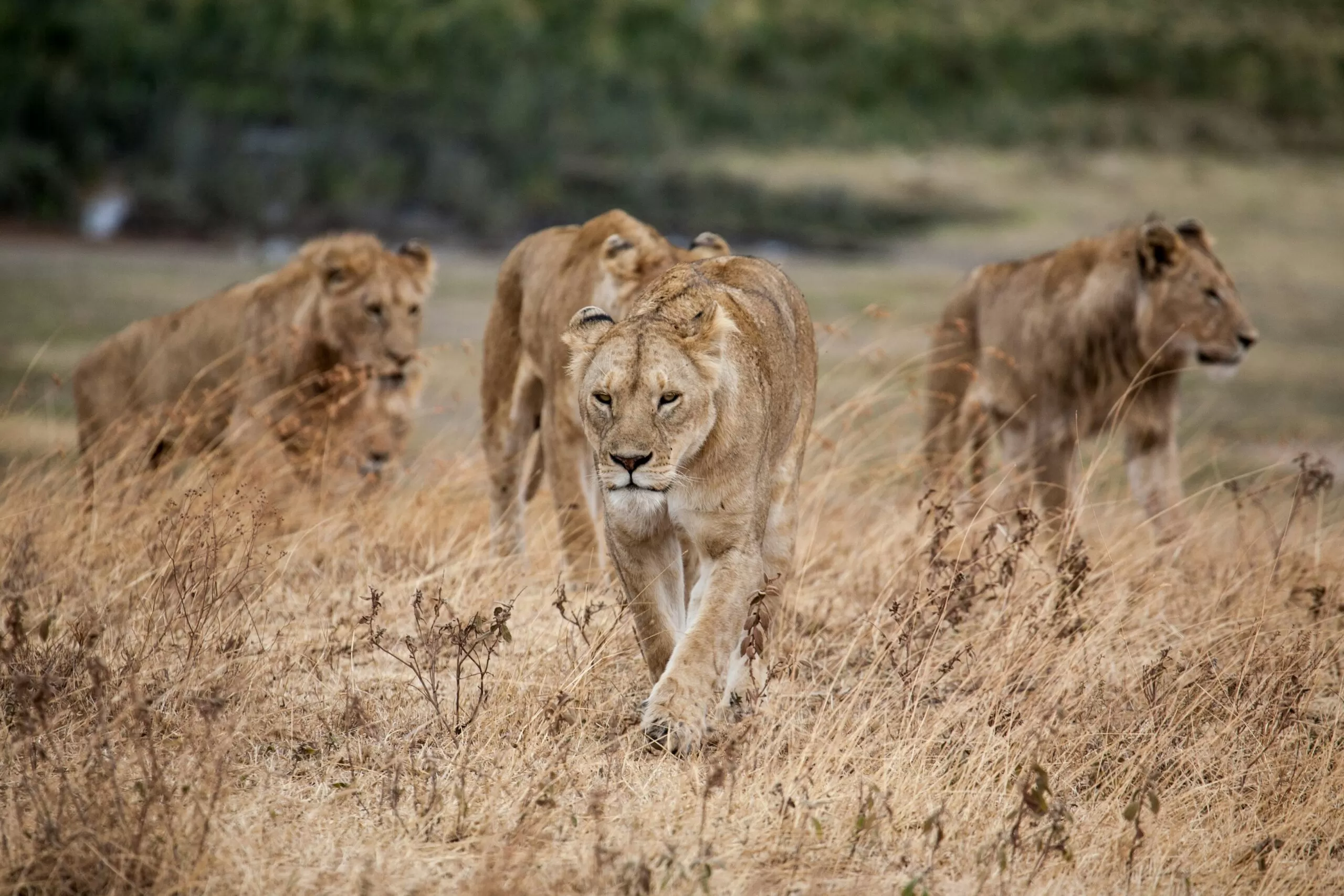
More than 25,000 large animals are estimated to live on the crater floor, and the density of wildlife is remarkable. Typical sightings include:
- Lions in prides that hunt the abundant zebra and wildebeest
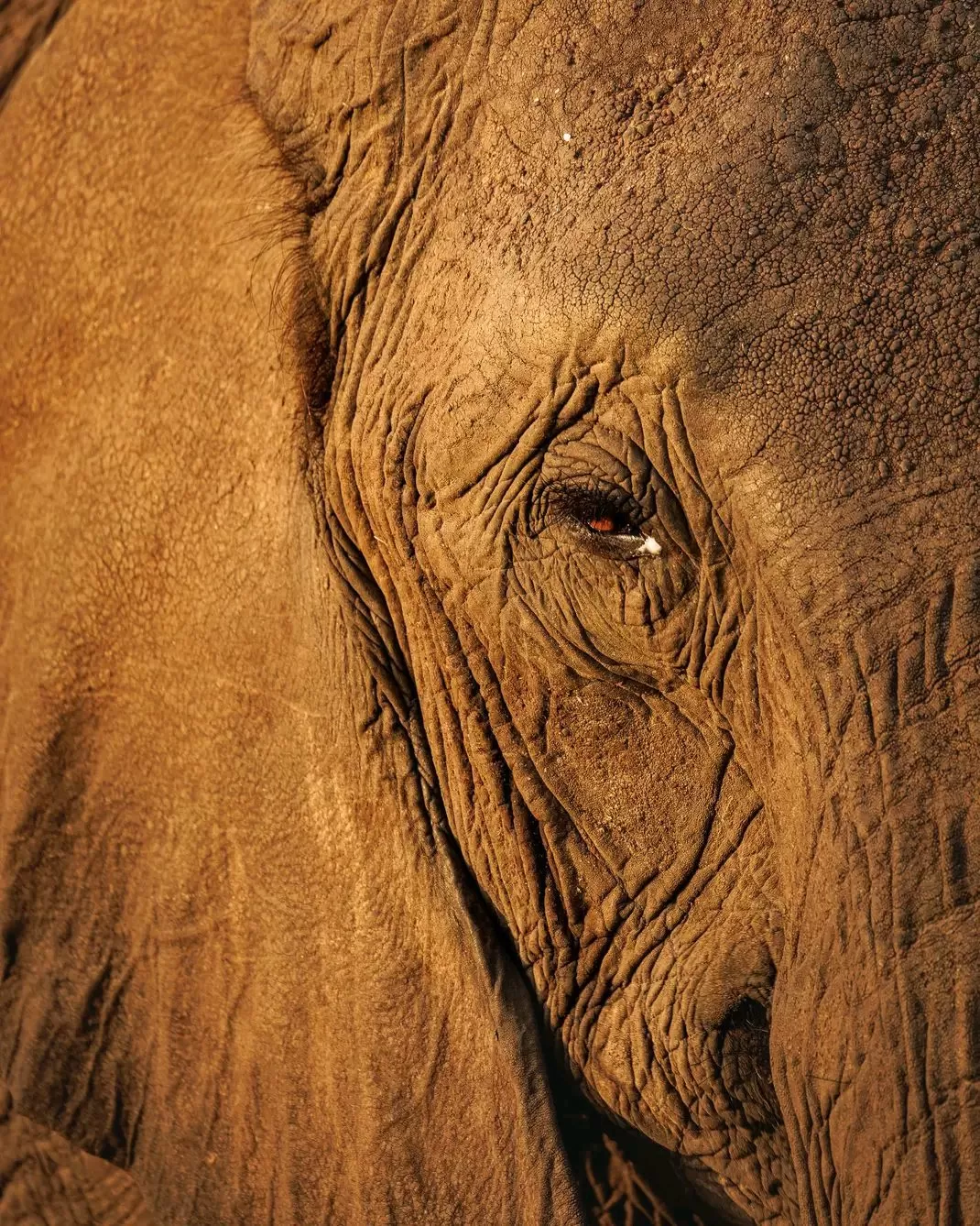
- Elephants, often large solitary bulls near the Lerai Forest
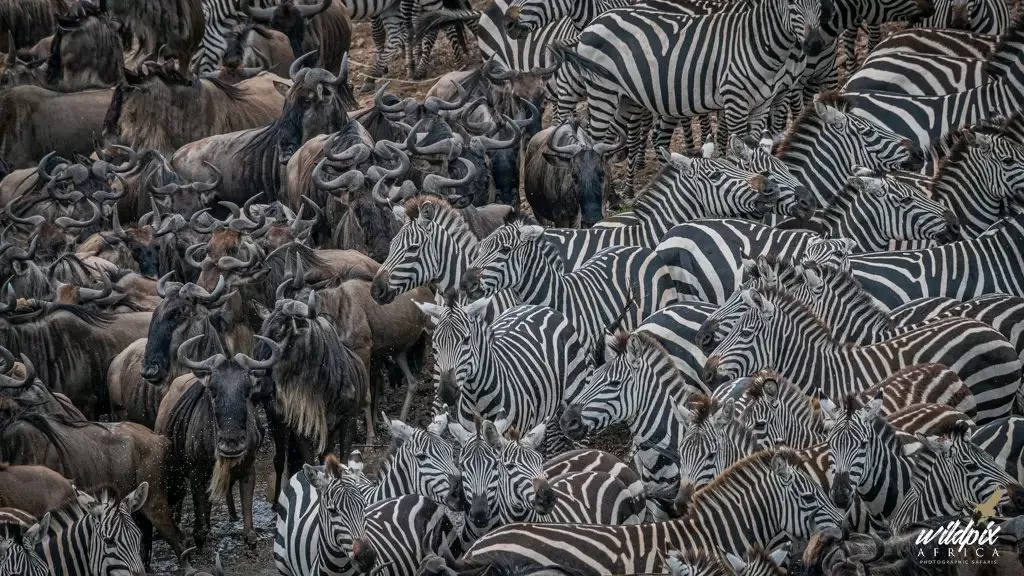
- Buffalo, wildebeest, zebra, Thomson’s and Grant’s gazelles in large numbers
- Spotted hyenas, jackals and servals
- Hippos at the Ngoitokitok springs and nearby pools
- Black rhinos, a small but important population usually seen at a distance, which is one of the best chances in East Africa but never guaranteed
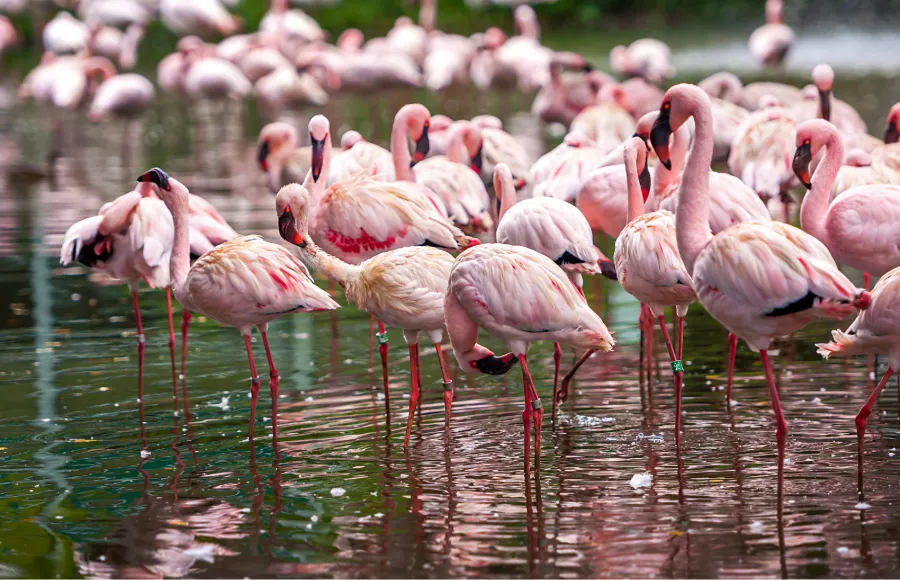
- Flamingos and other waterbirds at Lake Magadi, especially in the wetter months
Giraffes are not found on the crater floor, and leopards are seldom seen, so set your expectations accordingly.
Birdwatching
The crater and the surrounding highlands host a rich bird list, from Kori bustards and secretary birds on the plains to flamingos, pelicans and ducks at the lake and many woodland species in the Lerai Forest. Early morning is the best time.
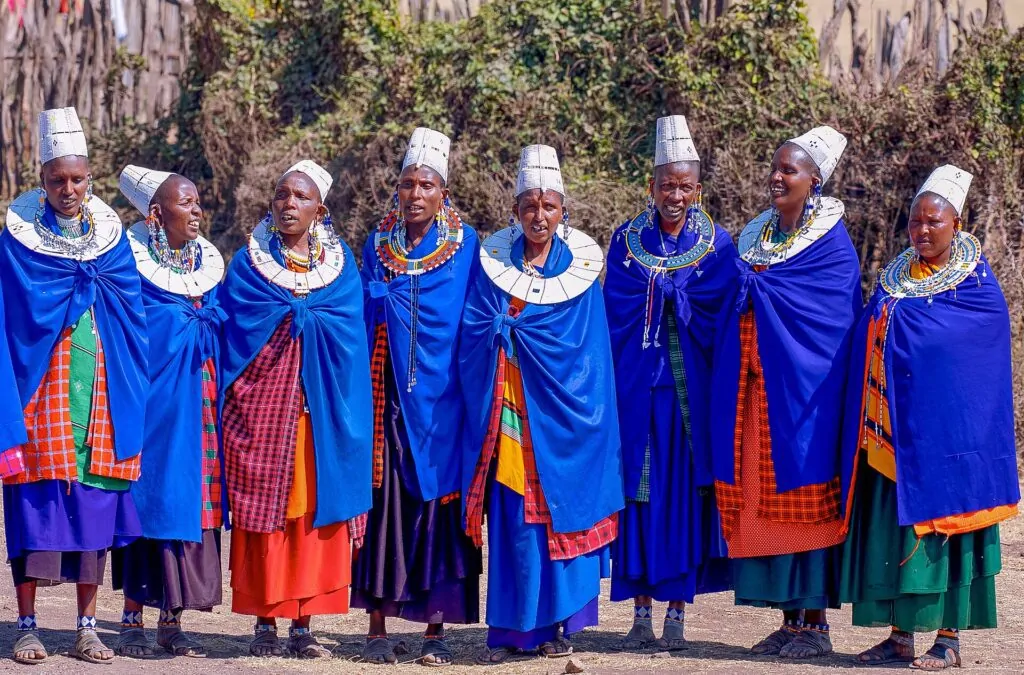
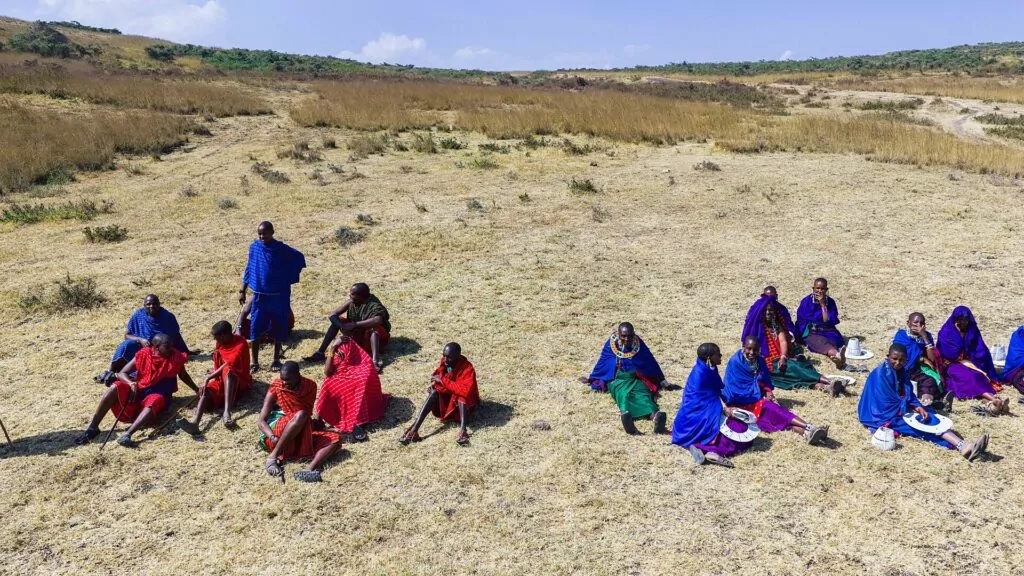
Photo Gallery
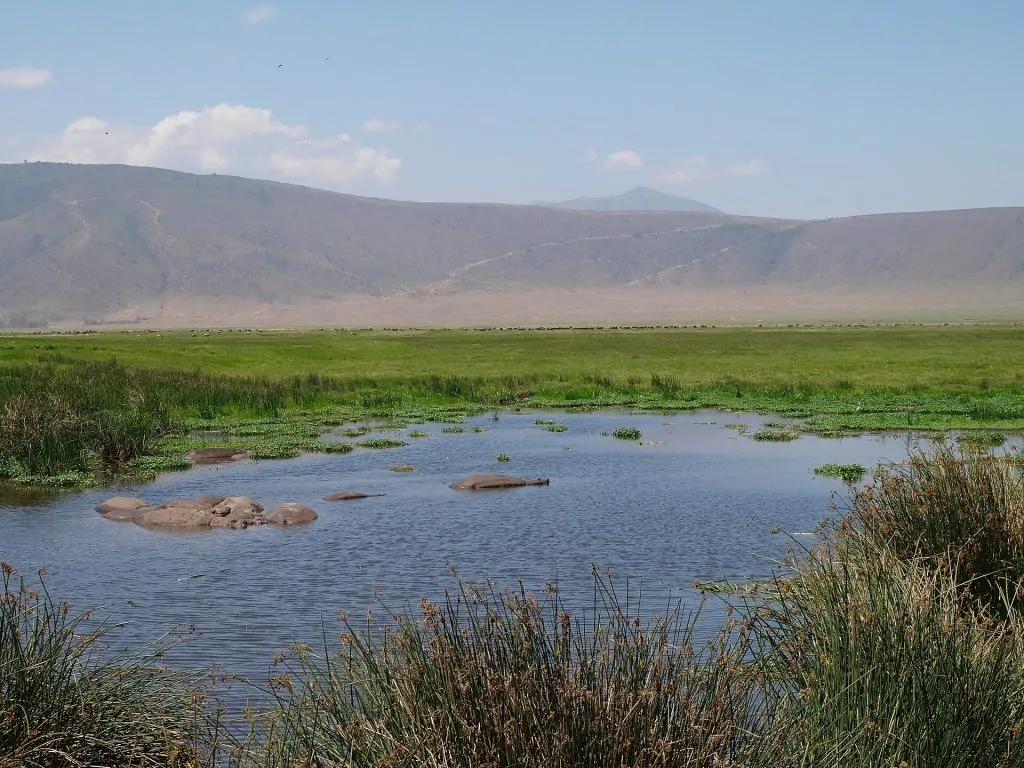
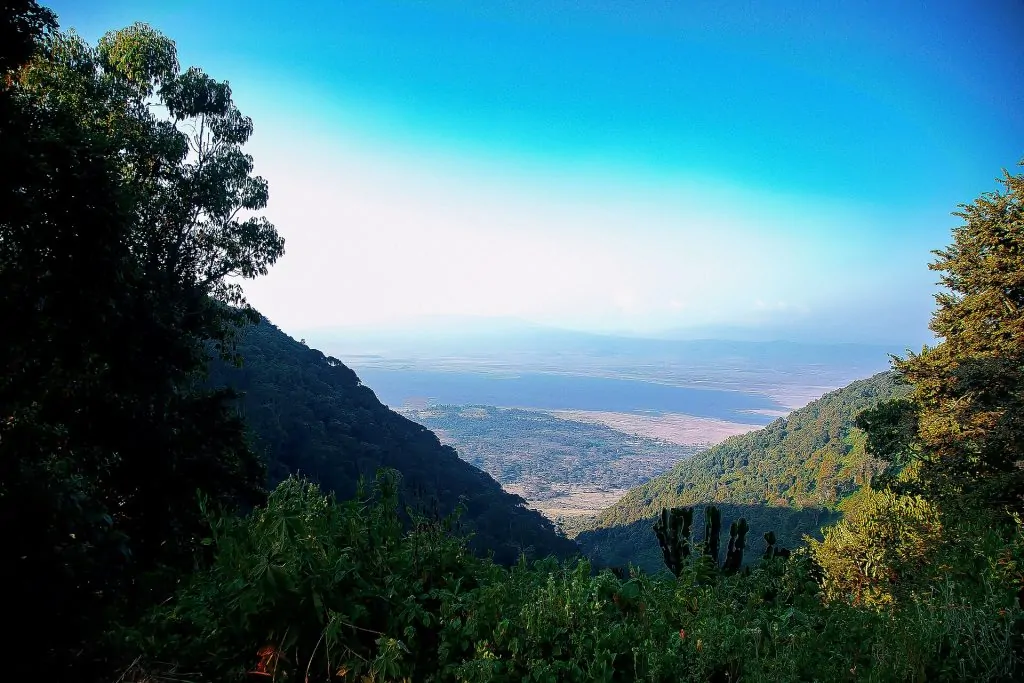
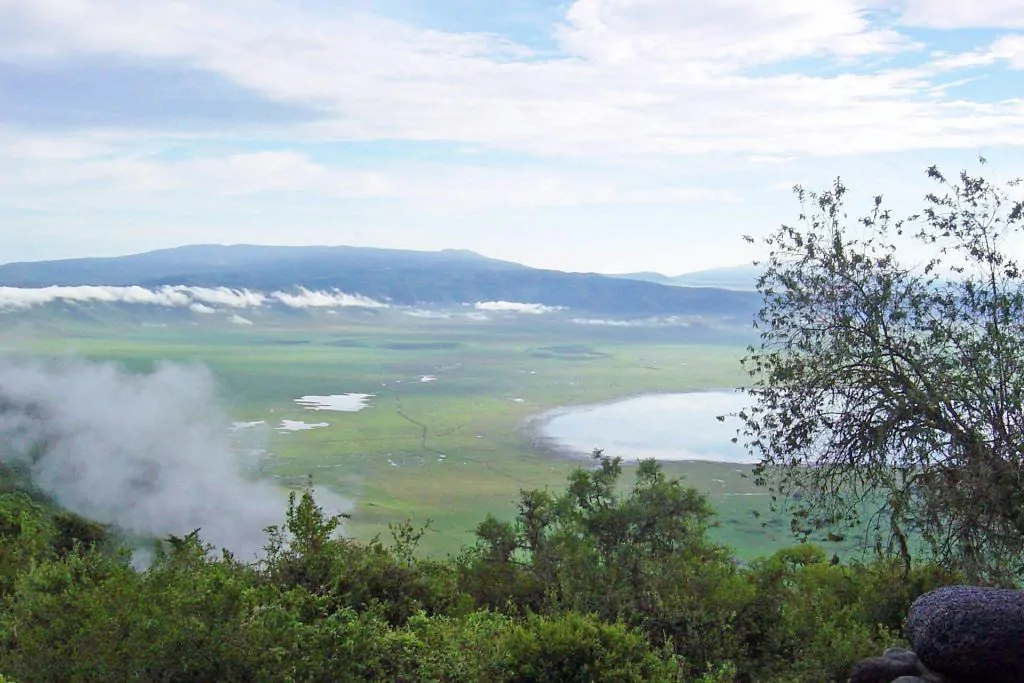
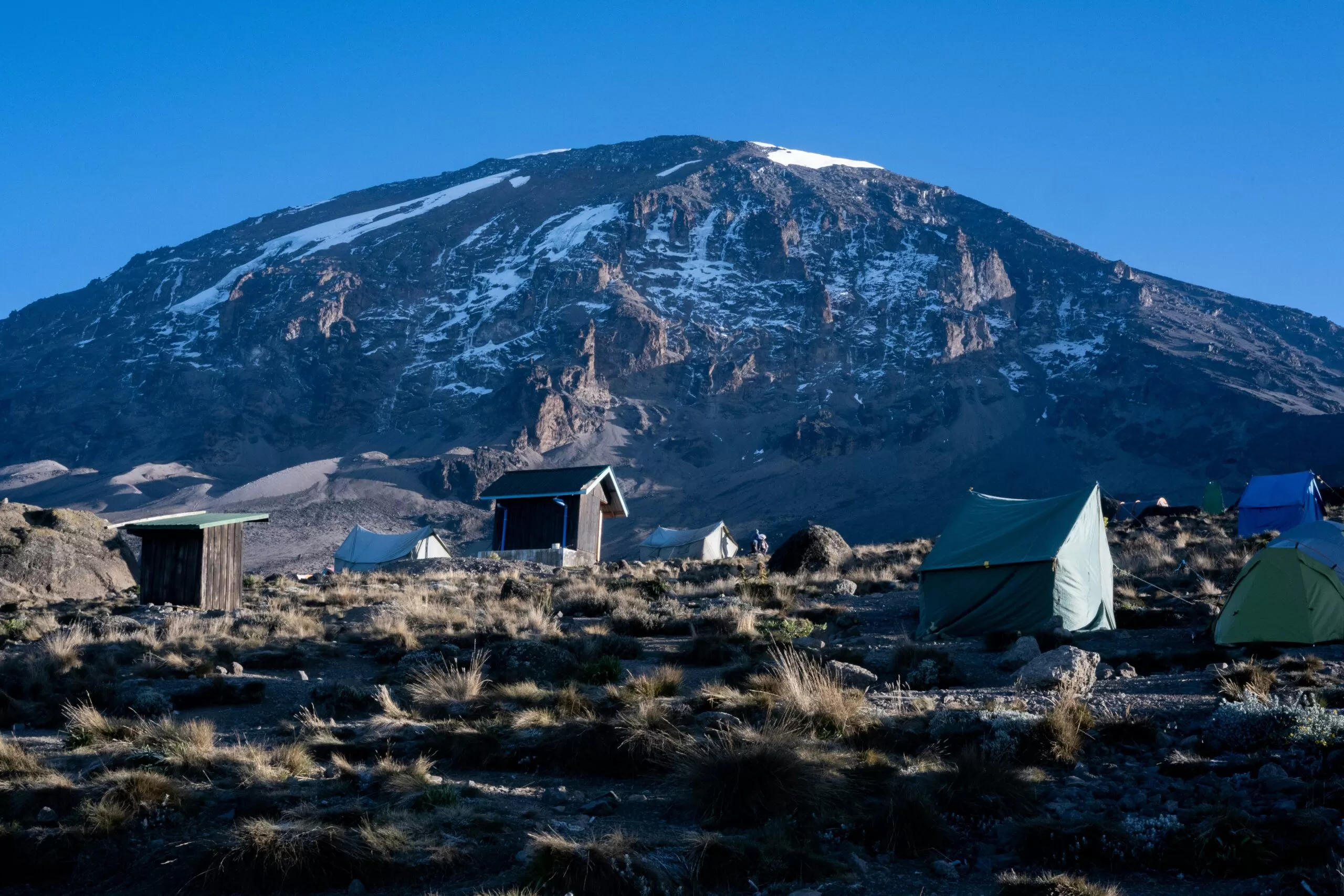
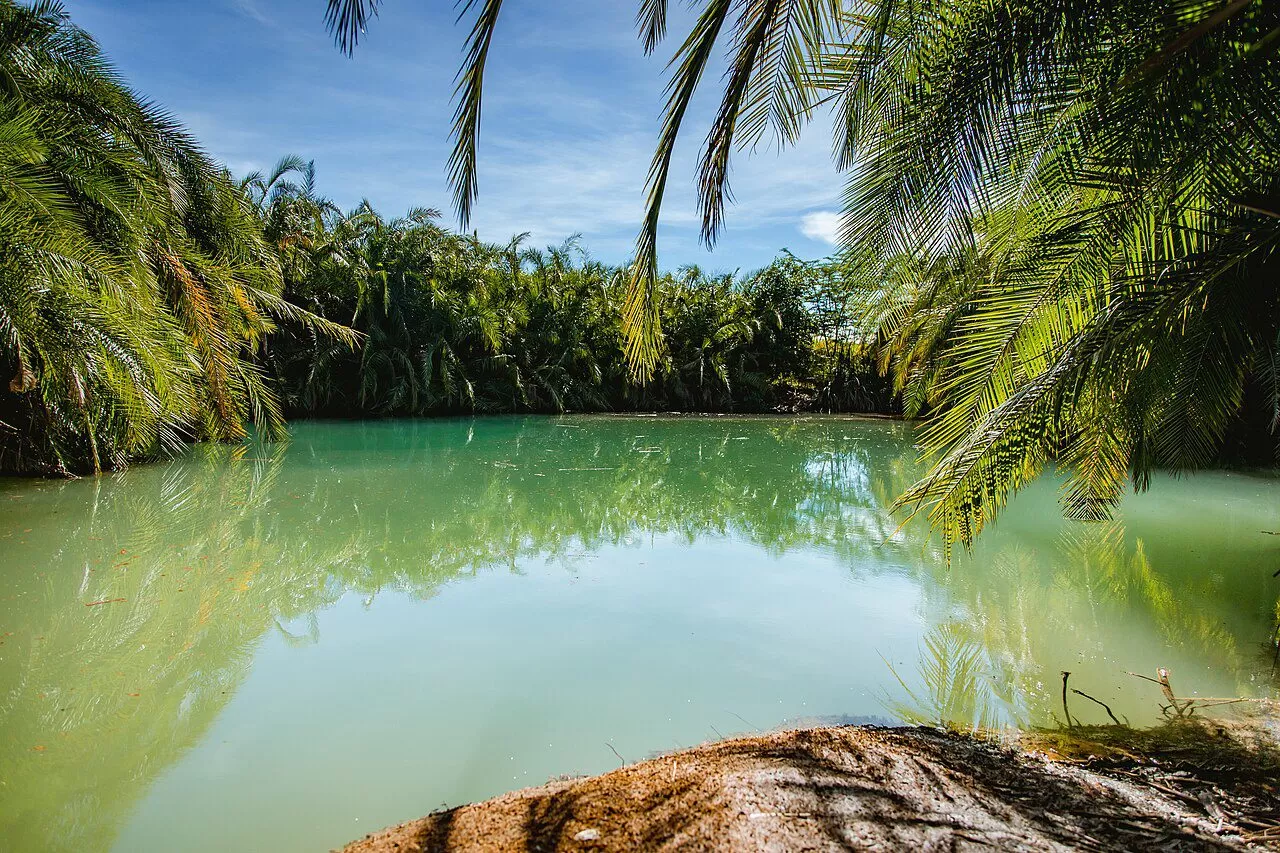
Photos by John Mackenzie Burke (CC BY-SA 4.0), Erasmus Kamugisha (CC BY-SA 4.0), Charles J. Sharp (CC BY-SA 4.0), via Wikimedia Commons.
Things to Do in Ngorongoro
- Full crater floor game drive in a 4×4, usually starting at the Seneto descent road soon after dawn
- Picnic lunch at Ngoitokitok or another designated picnic area, one of the few places you may leave the vehicle
- Visit Olduvai Gorge, where the Leakey family found fossils that shaped our understanding of human origins, and its small museum
- Hike or visit Empakaai Crater, a smaller crater with a lake, with a guided walk to the rim where permitted
- Olmoti Crater and waterfall for a quieter highland experience
- Ndutu and the southern plains, a calving-season highlight in January to March
- Cultural visits to Maasai communities, arranged respectfully and with fair benefit to the community
Rules matter here: game drives inside the crater have a time limit, off-road driving and walking are not allowed on the floor, and your licensed guide handles permits and descent times.
Ngorongoro Safari Packages and Tour Options
We offer Ngorongoro as a stand-alone day trip, as part of short northern circuit safaris, and as a stop before the Serengeti.
- Crater day trip from Arusha for travellers short on time
- Two to four day safaris combining Tarangire, Lake Manyara and the crater
- Longer Serengeti safaris including a descent into the crater on the way
- Cultural and community-focused safaris that include time with Maasai communities
Accommodation Near Ngorongoro Crater
Rim-edge lodges with dramatic crater views, fine dining and private balconies, where you can watch the sunrise over the caldera and be among the first down the descent road.
Comfortable lodges and tented camps on the rim or in the Karatu highlands, many on working coffee farms, offering good value with warm hospitality.
Simple guesthouses and campsites in Karatu and the rim area, which add a little travel time to the crater but keep costs down.
Staying on the rim gives the earliest access and the best views, while Karatu offers more choice and lower prices. We match accommodation to your budget and itinerary.
Ngorongoro Entrance Fees and Costs
The Ngorongoro Conservation Area is managed by the Ngorongoro Conservation Area Authority (NCAA), not TANAPA. Costs typically include a per-person conservation fee for each 24-hour period, a separate crater service fee charged per vehicle for each descent, and concession fees for lodges or campsites inside the area. Children receive lower rates and the youngest enter free.
Because these charges change and differ by season, we do not print a figure that may be out of date. Your Zege Safaris quote lists the current official fees and exactly what they cover, so you can plan your budget with confidence.
How Many Days and What to Pack
Recommended length of stay
Plan one full day for the crater floor itself. Two nights in the area gives you the crater, a relaxed pace and time for Olduvai Gorge or a highland crater. If you are continuing to the Serengeti, the crater fits naturally into the route.
Travel tips
- Descend early: the road opens at dawn and the best light and animal activity are in the morning
- Pack a warm jacket, hat and gloves for the rim
- Ask your guide about the timing and the quieter corners of the crater
- Bring binoculars, as many animals are at a distance
What to pack
- Warm layers and a waterproof jacket for the rim
- Neutral clothing, sunhat, sunglasses and sunscreen
- Binoculars, camera with spare battery and a long lens if you have one
- Sturdy shoes for Olduvai Gorge and optional walks
Accessibility
The descent road is steep and rough, and vehicles are high, so the crater suits most active travellers. Tell us about any mobility needs so we can plan suitable vehicles and stops.
Culture, Families and Honeymoons
The Maasai have grazed livestock in the highlands for generations, and visits to Maasai communities offer an insight into a living culture. We arrange visits that are respectful and that benefit local families, and we describe our wider support on our Community Projects page.
Families: The crater is an excellent first safari for older children thanks to its easy wildlife viewing, though the day is long and the rim is cold.
Honeymoons: A rim-edge lodge with a crater-view room and a sunrise descent is a romantic start, especially before a few days on Zanzibar.
Combine Ngorongoro With Other Destinations
- Serengeti National Park, a natural continuation from the crater
- Lake Manyara National Park, a gentle stop on the way to the rim
- Tarangire National Park for elephants and baobabs
- Zanzibar for beaches after the bush
- Mount Kilimanjaro for trekking
- All safari packages and our travel stories
Is Ngorongoro Right for You?
- You want a high chance of seeing lions, elephants and large herds in a single day
- You are short on time and want a classic safari highlight
- You are interested in geology, human origins and Maasai culture
- You are building a northern circuit safari including the Serengeti
Ngorongoro Crater FAQs
Where is Ngorongoro Crater and how far is it from Arusha?
It lies in northern Tanzania inside the Ngorongoro Conservation Area, roughly 190 kilometres from Arusha, which usually takes around three and a half to four hours by road.
How long should I spend at Ngorongoro Crater?
A full day covers the crater floor. Two nights in the area gives a more relaxed pace and time for Olduvai Gorge or a nearby highland crater.
What animals can I see in Ngorongoro Crater?
Lions, elephants, buffalo, hippos, hyenas, zebra, wildebeest and gazelles are common, with black rhinos and flamingos possible. Giraffes are not found on the crater floor.
Can I see the Big Five in Ngorongoro?
All of the Big Five live in the conservation area, but leopards and rhinos are harder to see, so we can never guarantee a particular sighting.
What is the best time to visit Ngorongoro Crater?
June to October is best for easy game viewing, while January and February are a good balance of wildlife and fewer visitors. Wildlife is resident year-round.
How much does it cost to visit Ngorongoro Crater?
Costs include a per-person conservation fee, a per-vehicle crater service fee for each descent and lodge or camp fees. Rates change, so we show current official fees in every quote.
Is Ngorongoro suitable for families and couples?
Yes. The wildlife is easy to see and the rim lodges are scenic, but the day is long and the rim is cold, so pack layers for children.
Can I combine Ngorongoro with the Serengeti and Zanzibar?
Yes. The crater sits between Lake Manyara and the Serengeti, and many itineraries end with a beach stay on Zanzibar.
Related Day Trips

Plan Your Trip to Ngorongoro
Tell us your travel dates and interests and we’ll build a free, tailor-made itinerary for you.
Personally Guided
You are met and guided by our own team in person, not routed through a call centre.
One Simple Deposit
A single 30% deposit confirms your booking. We pay lodges, park fees and other costs for you.
Licensed and Local
Based in Arusha and operating under Tanzania Tourist Board licence TALA 035907.
Built Around Conditions
Itineraries follow current wildlife and weather, not a fixed brochure route.