Beyond the Big Five: Small Wonders to Spot on a Tanzania Safari
Most first-time safari guests arrive with one mission: find the Big Five. It is a reasonable place to start. But ask a guide who has spent years on the Serengeti’s dirt tracks what they love pointing out, and the answer is rarely a lion. It is the small, easily missed relationships happening in plain sight, the details that turn a game drive from a checklist into a story.
On This Page
Want a Guide Who Slows Down for the Small Stuff?
Tell us what kind of safari you want, Big Five pace or unhurried and detail-rich, and we will match you with the right guide and route.
The Oxpecker and the Buffalo: Nature’s Free Market
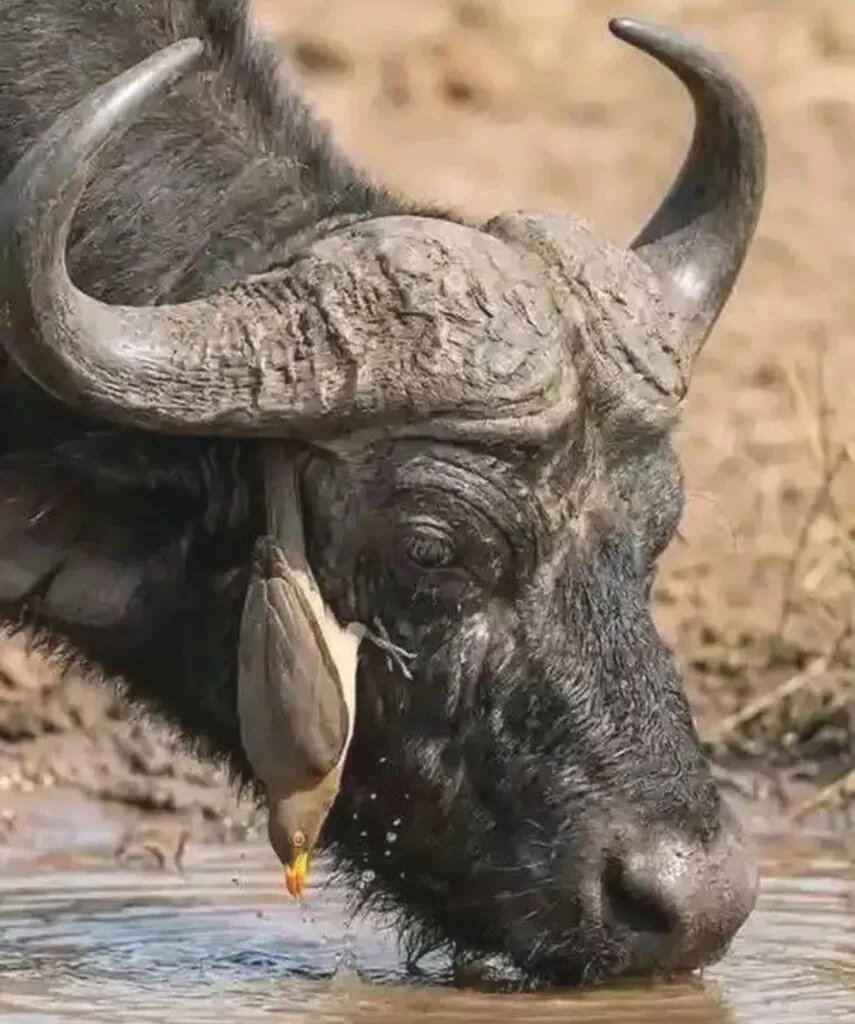
Look closely at almost any buffalo herd in the Serengeti and you will spot a small bird perched on an ear, a shoulder, or clinging to a flank. That is a red-billed or yellow-billed oxpecker. It spends its day picking ticks and other insects off the buffalo’s skin, and it hisses out a sharp alarm call when it senses danger, giving the herd an early warning a human observer would never notice. The buffalo gets pest control and a lookout; the bird gets a steady meal and a safe perch.
There is a twist worth knowing. Some researchers argue the relationship is more complicated than simple friendship, because oxpeckers also feed on blood from small wounds and can keep them open. Your guide can tell you which view they favour, and watching the behaviour yourself makes for a good debate on the drive back to camp.
Field studies suggest an oxpecker can eat a hundred or more ticks a day, and its alarm calls are heeded by buffalo, giraffe, rhino and several antelope that share the same grazing ground.
More Small Wonders Worth Watching For
Weaver bird colonies
The intricately woven, upside-down nests hanging from acacia branches are built by the male, strand by strand, as a courtship display. A female inspects the workmanship before deciding whether to move in.
Dung beetles at work
Watch the ground near any large herd and you will likely see a dung beetle rolling a ball many times its own body weight. Research shows some species keep a straight line by using the sun, moon and even the Milky Way as a compass.
Termite mounds as ecosystems
Those earth spires are climate-managed colonies, and they double as lookout posts for cheetah and topi.
The alarm-call network
Vervet monkeys, guinea fowl and impala all respond to each other’s alarm calls, and a guide who understands them can often predict a predator sighting minutes before it happens, just by listening.
On a Tanzania safari, this kind of detail happens every few minutes. It is not filler between Big Five sightings. It is the safari, once you know where to look.
Birdwatching and Small Details by Park
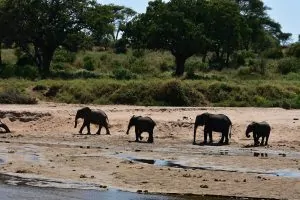
The Serengeti is excellent for weavers, secretary birds and raptors. Tarangire is known for baobabs, termite mounds and large elephant herds, and Lake Manyara is a strong choice for birds around its soda lake. If you enjoy slow, observational game drives, the Tarangire day trip and Lake Manyara day trip are low-pressure ways to start. Official park information is published by Tanzania National Parks.
Big Five Sightings vs Small Wonders
| What Matters to You | Big Five Focus | Small Wonders Focus |
|---|---|---|
| Pace of the drive | Faster, chasing radio reports | Slow, observational |
| Best for | First-time visitors, photographers | Repeat visitors, families with curious kids |
| What you come away with | A checklist of iconic animals | Stories and a deeper reading of the bush |
| Guide style | Sharp-eyed and quick to react | Patient and narrative |
Who Notices These Things
- You have done a Big Five safari before and want more depth this time
- You are travelling with children who ask “why” more than “what”
- You would rather understand one ecosystem well than photograph five animals quickly
- You want a guide who narrates the bush, not just identifies it
Ready for a Safari That Slows Down?
Tell us the pace and depth you are after and we will build the right itinerary and match you with the right guide.
Frequently Asked Questions
Will focusing on small details mean I miss the Big Five?
No. A good guide reads both. The small-wonder moments happen in the gaps between bigger sightings, not instead of them.
Why do birds sit on buffalo?
Mostly oxpeckers, which feed on ticks and other insects on the buffalo’s skin and give alarm calls when danger approaches. Some researchers note they also feed on blood from wounds.
Is this style of safari good for kids?
Very much so. Stories about oxpeckers, dung beetles and termite mounds usually hold a child’s attention longer than a distant lion asleep under a tree.
Can I request this kind of guiding specifically?
Yes. Tell us when you book and we will pair you with a guide who suits an unhurried, detail-rich style.