Mkomazi National Park Safari
Add Mkomazi to Your Safari?
Visit as a day trip or add it to a northern circuit, Kilimanjaro or Zanzibar plan. Tell us your dates and interests and we will tailor it.
Plan My SafariOr email usBrowse all safari packagesSee the Mkomazi rhino conservation safari- Free, tailor-made itinerary and quote
- Licensed operator, TALA 035907
- We reply personally, usually within a few hours
Mkomazi National Park Overview
Mkomazi National Park covers roughly 3,245 square kilometres of acacia bush, open plains and distant mountains in northern Tanzania, east of Moshi and close to the Kenyan border, where it adjoins Kenya’s Tsavo West ecosystem. The park is managed by Tanzania National Parks (TANAPA) and is far less visited than the main northern circuit parks, so game drives often feel private and unhurried.
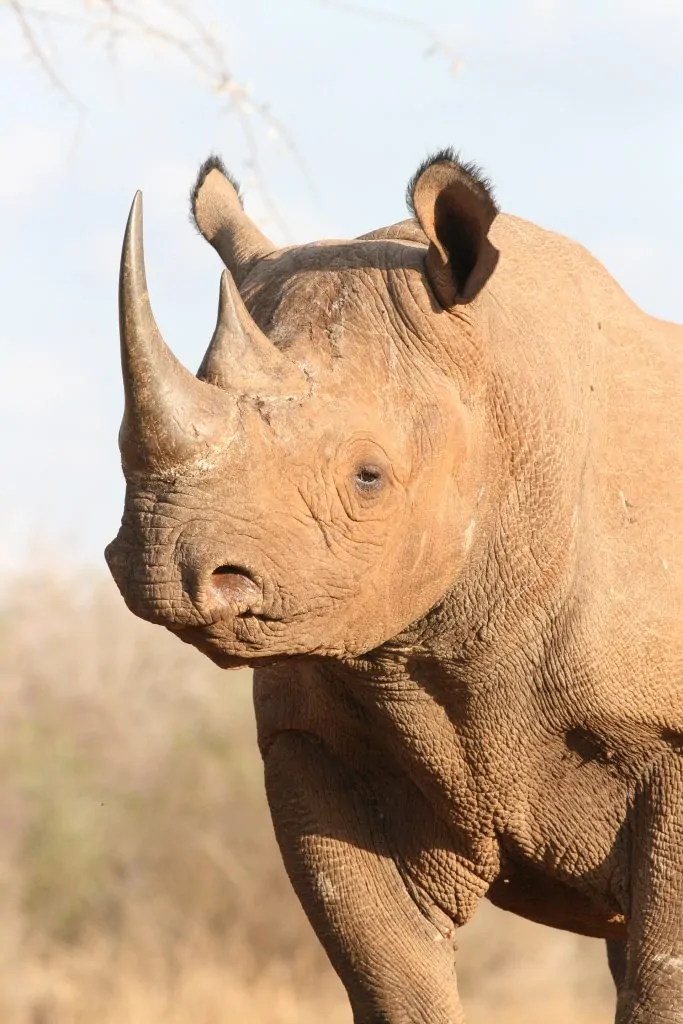
Mkomazi is best known for its fenced black rhino sanctuary, where critically endangered black rhinos are protected and monitored. Black rhinos were reintroduced here through the George Adamson Wildlife Preservation Trust, and the park is also known for its African wild dog conservation work. If you are searching for a Mkomazi National Park safari or a rhino conservation safari in Tanzania, this guide explains what to expect.
The rhino sanctuary covers about 55 square kilometres, which allows close protection and monitoring. Reported rhino numbers change over time, so we share the latest information when you enquire.
Location and How to Get to Mkomazi
Mkomazi lies in north-eastern Tanzania, east of Moshi near the town of Same, in the shadow of the Pare Mountains. It is reached by road from Moshi, Arusha or the Kilimanjaro area, and the drive is long, so we usually recommend an early start or an overnight stay nearby. We confirm the best gate, routing and timings for your dates when you enquire, because arrangements for the rhino sanctuary depend on TANAPA.
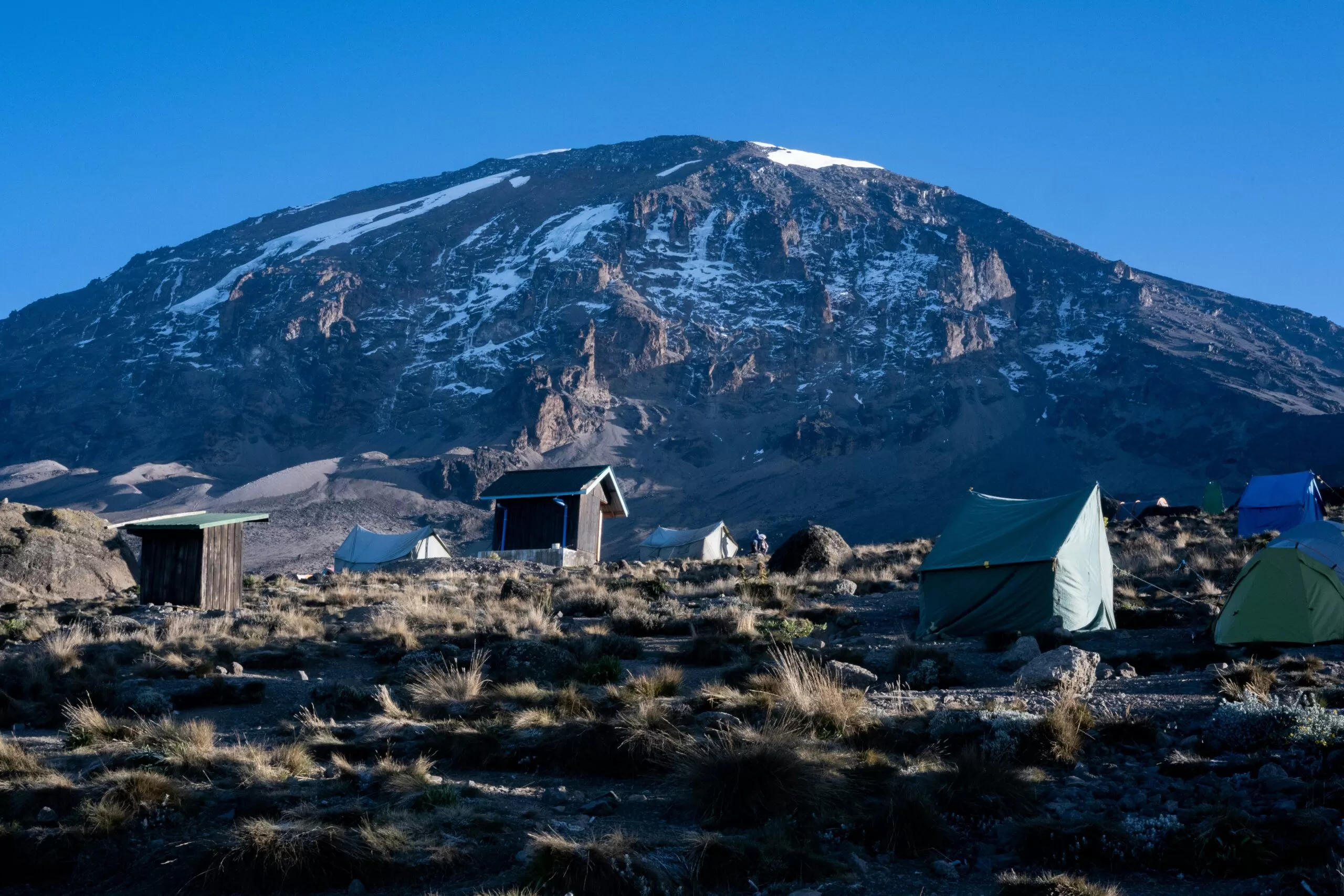
Mkomazi combines well with a Kilimanjaro climb, the Usambara Mountains and a northern circuit safari.
Best Time to Visit Mkomazi
| Months | Conditions | Best for |
|---|---|---|
| June – October | Main dry season | Easiest game viewing and access, wildlife gathering near water |
| January – February | Warm, drier spell | Good wildlife and fewer visitors |
| March – May | Long rains | Green landscapes and birdlife, with harder access |
| November – December | Short rains | Fresh scenery and quieter roads |
Weather and climate
Mkomazi is a low-lying, semi-arid park, so days are generally warm to hot and mornings and evenings are cooler. Rainfall is lower than on the highlands and falls mainly from March to May and in November and December. Seasons are a guide only, and sanctuary visit arrangements depend on TANAPA and conditions.
Wildlife and Birds in Mkomazi
Mkomazi is about space, silence and conservation as much as numbers of animals. Wildlife you may see includes:
- Black rhinos in the protected sanctuary, subject to park rules and arrangements, and never guaranteed
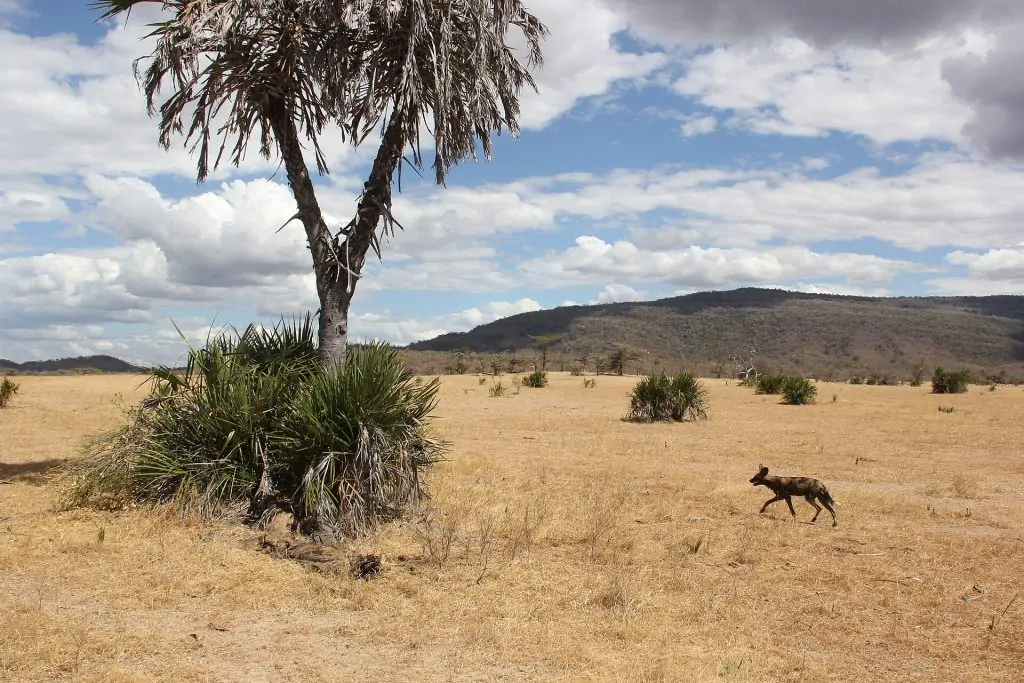
- African wild dogs, one of Africa’s most endangered carnivores, which the park has helped protect
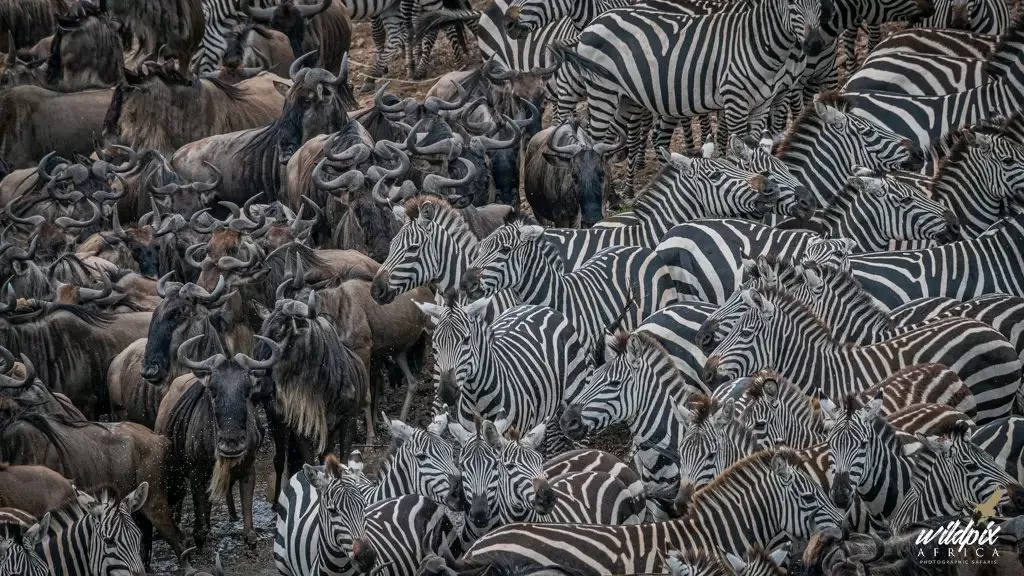
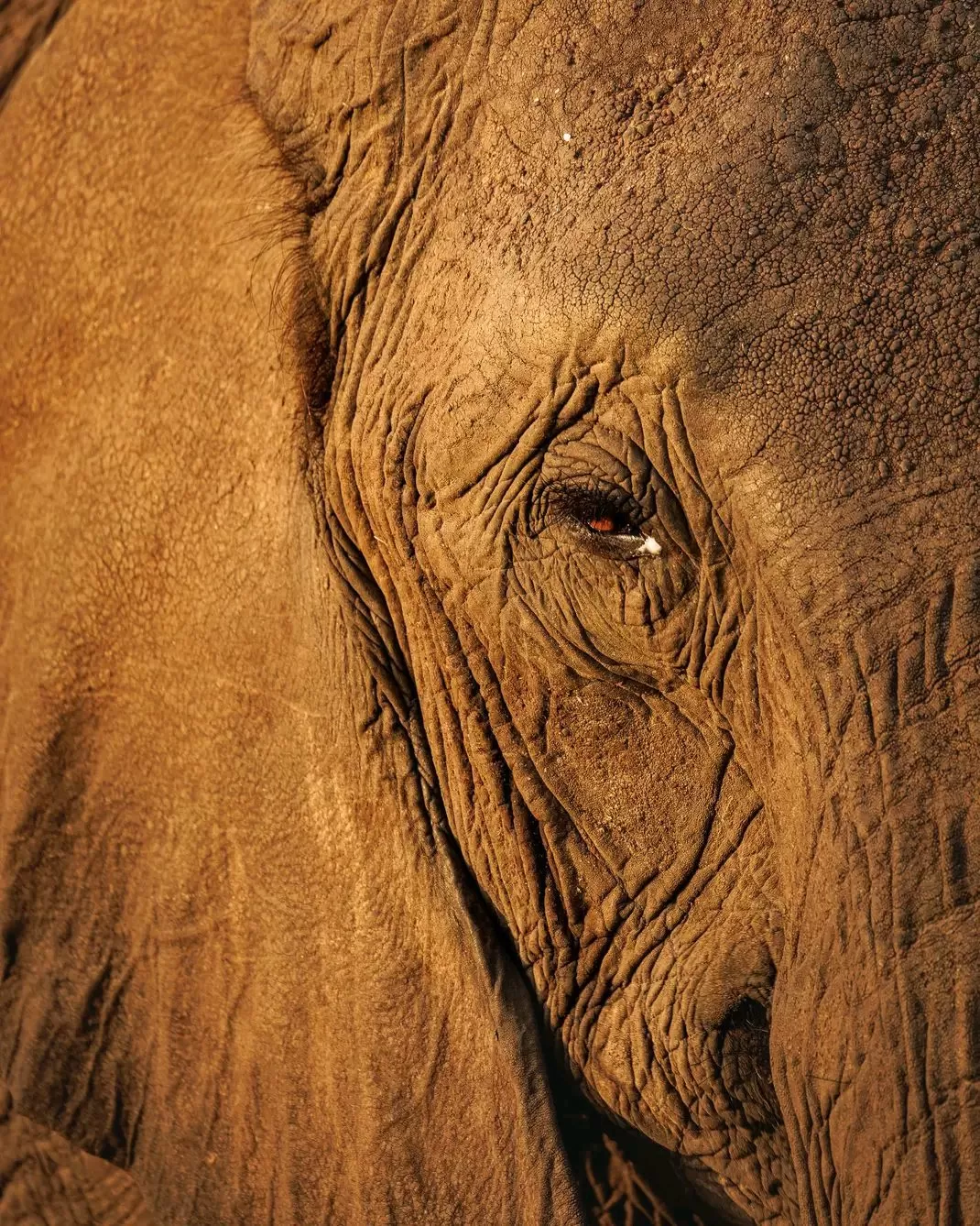
- Elephants, giraffes, zebras and buffalo in the bush and plains
- Dry-country antelope such as gerenuk, eland and oryx
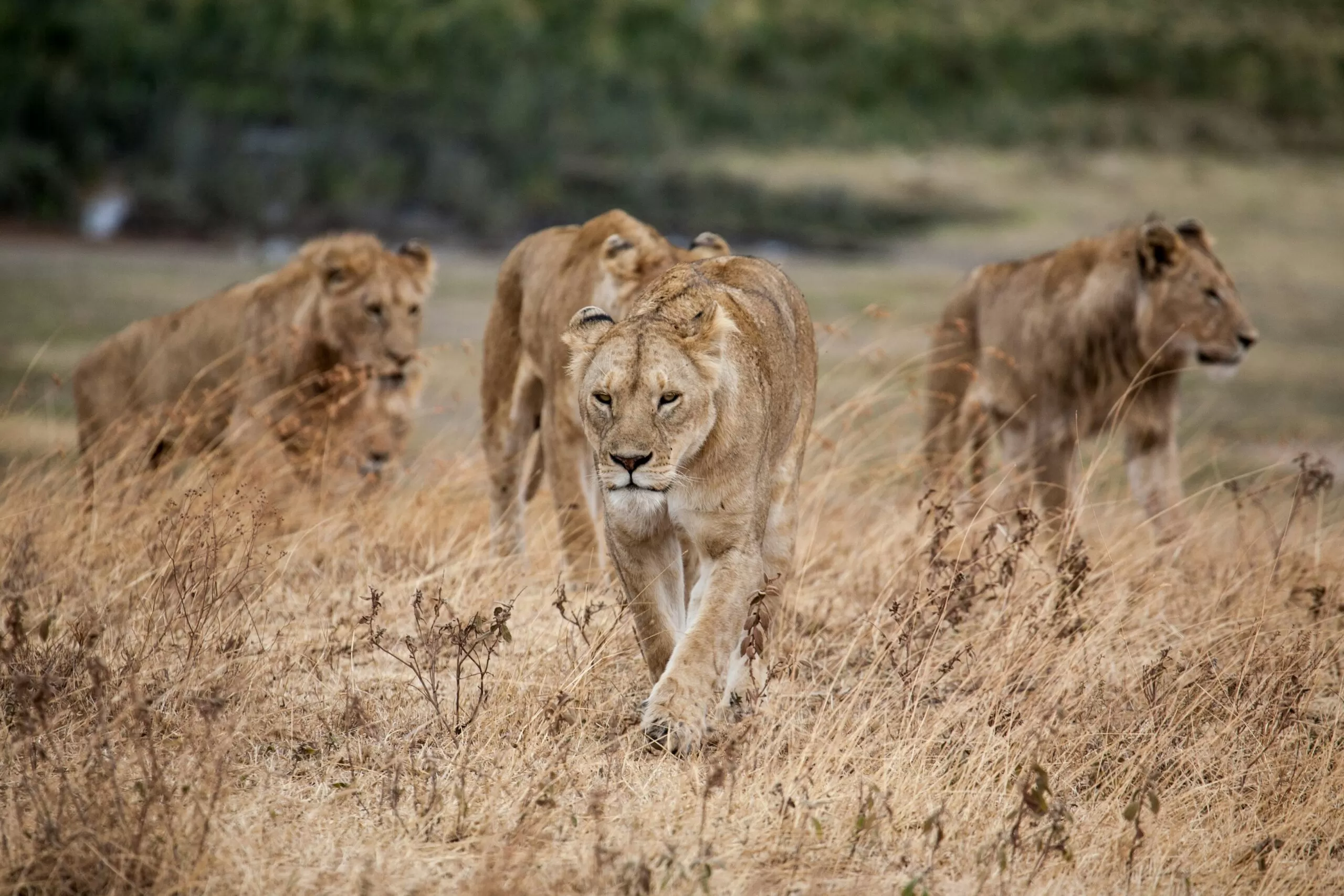
- Lions, leopards and smaller predators, with sightings varying by season
Birdwatching
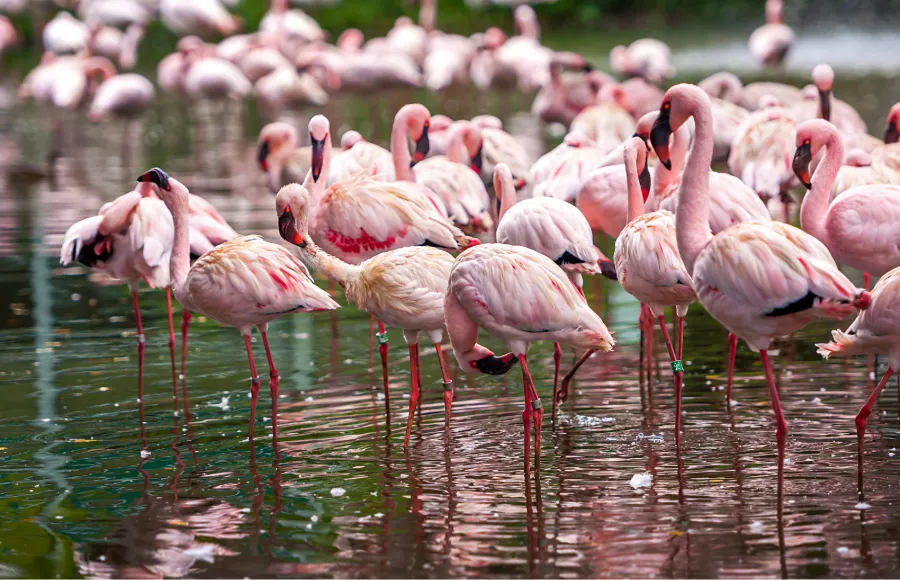
The park’s acacia bush and seasonal pans support a rich variety of dry-country birds, including hornbills, bee-eaters, starlings and raptors. Birdwatching is at its best after the rains, and early mornings are the most rewarding.
Things to Do in Mkomazi
- Game drives through open plains and acacia woodland with very few other vehicles
- Rhino sanctuary learning: understanding how rhinos are protected, with visits arranged with TANAPA and subject to park rules
- African wild dog conservation stories and, where possible, sightings
- Birdwatching in the dry-country bush
- Landscape photography with the Pare Mountains on the horizon
- Conservation conversations about why rhino protection needs ongoing support
- Combining with Kilimanjaro or the Usambara Mountains in a longer itinerary
Adopt a Rhino – Name a Rhino
Rhino conservation depends on funding for rangers, monitoring, security and habitat protection. If you would like to help, Zege Safaris can guide you towards supporting rhino protection as an optional part of your trip. Read the full explanation on our Mkomazi Rhino Conservation Safari page.
- It is optional: you never need to support any programme to visit Mkomazi
- We confirm what is available: sponsorship or adoption options must be officially approved at the time
- We explain in writing what a contribution supports, who receives it and what you will receive before you commit
We do not promise that you can personally name a rhino, touch, feed or interact with a rhino, or see a particular rhino, unless officially authorised by the relevant conservation authorities. All visits follow TANAPA rules.
Mkomazi Safari Packages and Tour Options
- Mkomazi rhino conservation safari, a day visit or two to three days from Moshi, Arusha or Kilimanjaro
- Add-on to a northern circuit safari with Tarangire, Ngorongoro or the Serengeti
- Kilimanjaro climb plus Mkomazi, a quiet park after the mountain
- Safari and Zanzibar combinations for a conservation-focused journey that ends on the beach
Accommodation Near Mkomazi
Accommodation choices near Mkomazi are more limited than in the main northern circuit parks, so we plan carefully around what is available for your dates.
Limited options; we recommend comfortable lodges or boutique stays in the Moshi area combined with a long day visit or a nearby overnight.
Guesthouses, lodges and tented camps in and around Same and the Pare foothills, as well as hotels in Moshi.
Simple guesthouses in Same and Moshi, and basic camping where permitted.
We confirm accommodation and park arrangements in writing before you commit.
Mkomazi Park Fees and Costs
Mkomazi National Park is managed by TANAPA. Fees are charged per person for each 24-hour period, with lower rates for children, plus vehicle charges and any camping fees. Taxes may also apply. Any contribution towards rhino protection is separate and optional.
Because official fees change, we do not publish a figure that could be outdated. Your Zege Safaris quote shows the current official fees and exactly what is included. The TANAPA website is the official source.
How Many Days and What to Pack
Recommended length of stay
Mkomazi works as a long day trip from Moshi or Arusha, but two to three days lets you enjoy the quiet bush, conservation talks and the scenery without rushing.
Travel tips
- Ask us early if you are interested in the rhino sanctuary, as arrangements depend on TANAPA
- Bring plenty of water, as the park is hot and dry
- Choose the dry season for easier access and wildlife viewing
- Respect all park and sanctuary rules
What to pack
- Light, neutral-coloured clothing and a warm layer for early mornings
- Wide-brimmed hat, sunglasses and sunscreen
- Binoculars, camera and spare batteries
- Insect repellent and a refillable water bottle
Accessibility
The park involves long drives and bumpy tracks, so it suits reasonably mobile travellers. Tell us about any mobility needs so we can plan carefully.
Culture, Families and Honeymoons
The communities around Mkomazi include Pare, Maasai and other groups, and responsible visits can support local people. You can see how we support communities on our Community Projects page.
Families: The conservation story is engaging for older children, but the long drive and heat make it best for families comfortable with a full day.
Couples and honeymoons: Mkomazi suits couples who want privacy and a meaningful conservation experience before a few days on Zanzibar.
Combine Mkomazi With Other Destinations
- Mount Kilimanjaro and Tarangire National Park for a varied northern itinerary
- Lake Manyara, Ngorongoro Crater and the Serengeti for the classic circuit
- Zanzibar for beaches
- All safari packages and our travel stories
Photo credits are listed on our Mkomazi Rhino Conservation Safari page.
Is Mkomazi Right for You?
- You want a quiet, uncrowded park away from the busiest routes
- You care about conservation and want to understand how rhinos are protected
- You enjoy open landscapes, birdlife and unhurried game drives
- You want to add something different to a Tarangire, Ngorongoro, Kilimanjaro or Zanzibar trip
Mkomazi National Park FAQs
Where is Mkomazi National Park?
In north-eastern Tanzania, east of Moshi near the town of Same and the Kenyan border, adjoining Kenya’s Tsavo West ecosystem.
Can I see black rhinos in Mkomazi?
Mkomazi has a fenced black rhino sanctuary. Visits are arranged with TANAPA, follow park rules and depend on conditions, so no sighting can be guaranteed.
Can I adopt or name a rhino?
Supporting rhino protection is optional. We check which sponsorship or adoption options are officially approved, and we do not promise that you can name or interact with a rhino unless it is authorised by the relevant conservation authorities.
How long should I spend in Mkomazi?
It works as a long day trip or a two to three day stay, and combines well with other northern Tanzania destinations.
What is the best time to visit Mkomazi?
June to October and January to February are the driest and easiest periods, while the rainy months from March to May and November to December are greener but harder to access.
How much does it cost to visit Mkomazi?
Park fees are set by TANAPA and charged per person per 24 hours, with vehicle and camping fees as applicable. Any rhino support contribution is separate and optional. We include current official figures in your quote.
Can I combine Mkomazi with Kilimanjaro or Zanzibar?
Yes. Many travellers add Mkomazi to a Kilimanjaro climb, a northern circuit safari or a Zanzibar beach stay.
Is Mkomazi suitable for families?
It suits families comfortable with long drives and hot weather, especially older children interested in conservation.
Related Day Trips
Plan Your Trip to Mkomazi
Tell us your travel dates and interests and we’ll build a free, tailor-made itinerary for you.
Personally Guided
You are met and guided by our own team in person, not routed through a call centre.
One Simple Deposit
A single 30% deposit confirms your booking. We pay lodges, park fees and other costs for you.
Licensed and Local
Based in Arusha and operating under Tanzania Tourist Board licence TALA 035907.
Built Around Conditions
Itineraries follow current wildlife and weather, not a fixed brochure route.