Mkomazi Rhino Conservation Safari
Travel to one of Tanzania’s quietest wild places, learn how black rhinos are being protected, and discover how your journey can support rhino conservation through Adopt a Rhino – Name a Rhino.
Wild Country With a Conservation Story
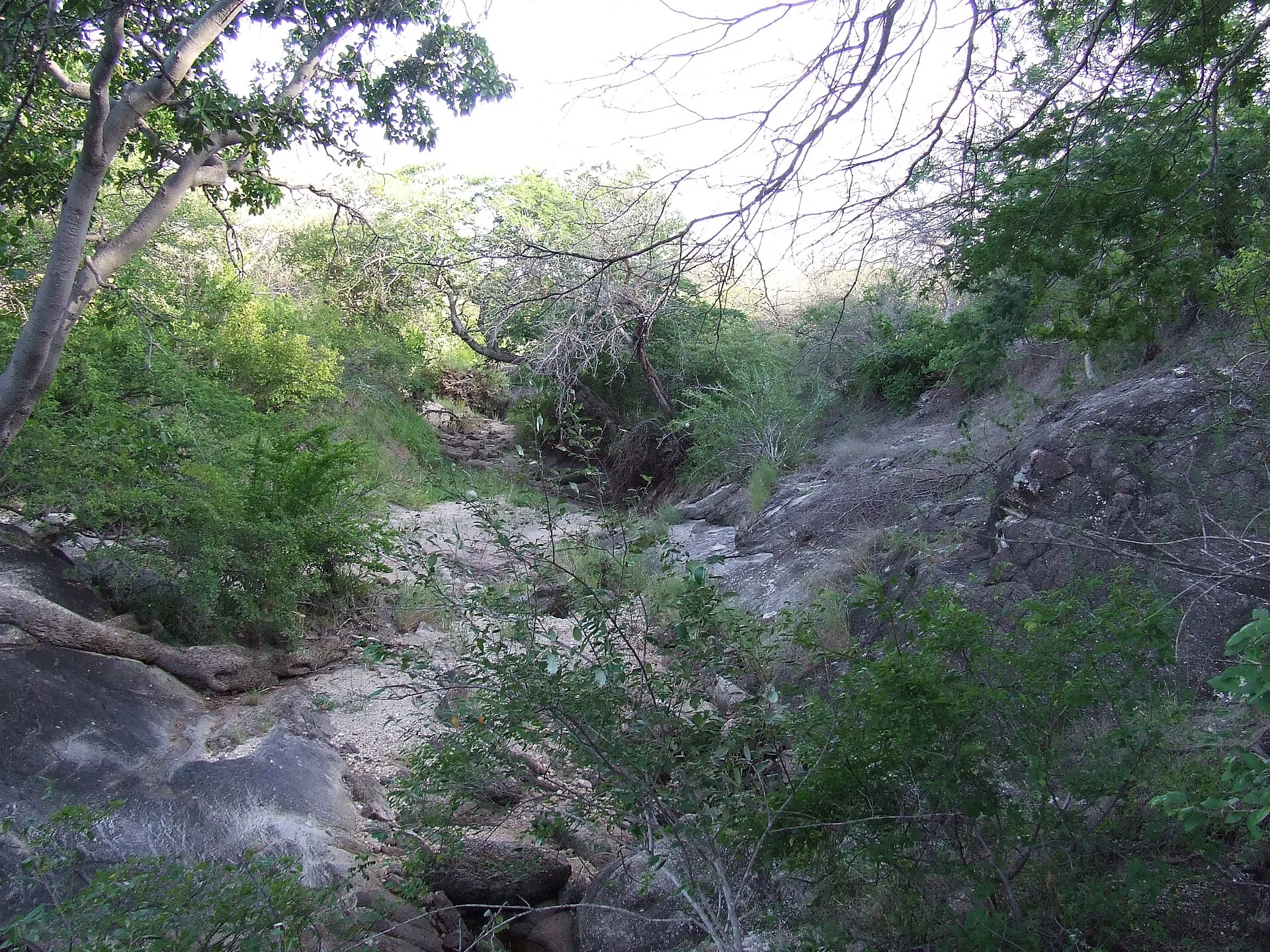
Mkomazi National Park is a vast, uncrowded landscape of acacia bush and open plains in northern Tanzania, bordering Kenya’s Tsavo ecosystem. It is far quieter than the better-known northern circuit parks, which makes it ideal for travellers who want space, silence and a deeper story.
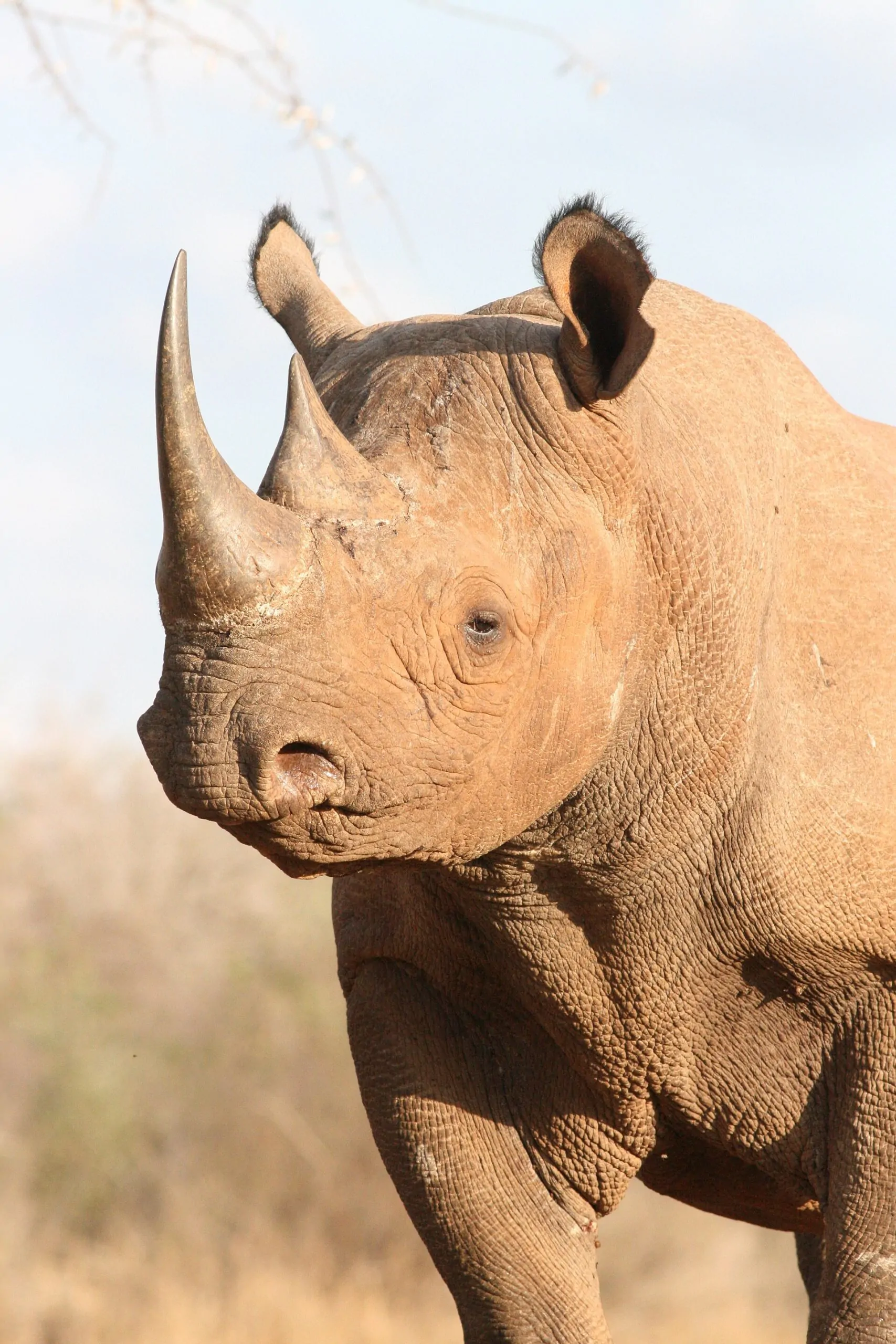
Mkomazi is best known for its black rhino sanctuary. The park is managed by Tanzania National Parks (TANAPA), and black rhinos were reintroduced here through the George Adamson Wildlife Preservation Trust. A visit lets you learn first-hand why protecting this critically endangered species matters.
With Zege Safaris, you can combine a visit to Mkomazi with a conservation conversation, and choose whether to support rhino protection as part of your journey.
Highlights of the Mkomazi Experience
What you can expect, subject to park rules, season and conditions on the day.
Black rhino sanctuary
Learn about the fenced rhino sanctuary where black rhinos are protected and bred, and how visits are arranged with TANAPA.
Game drives in quiet bush
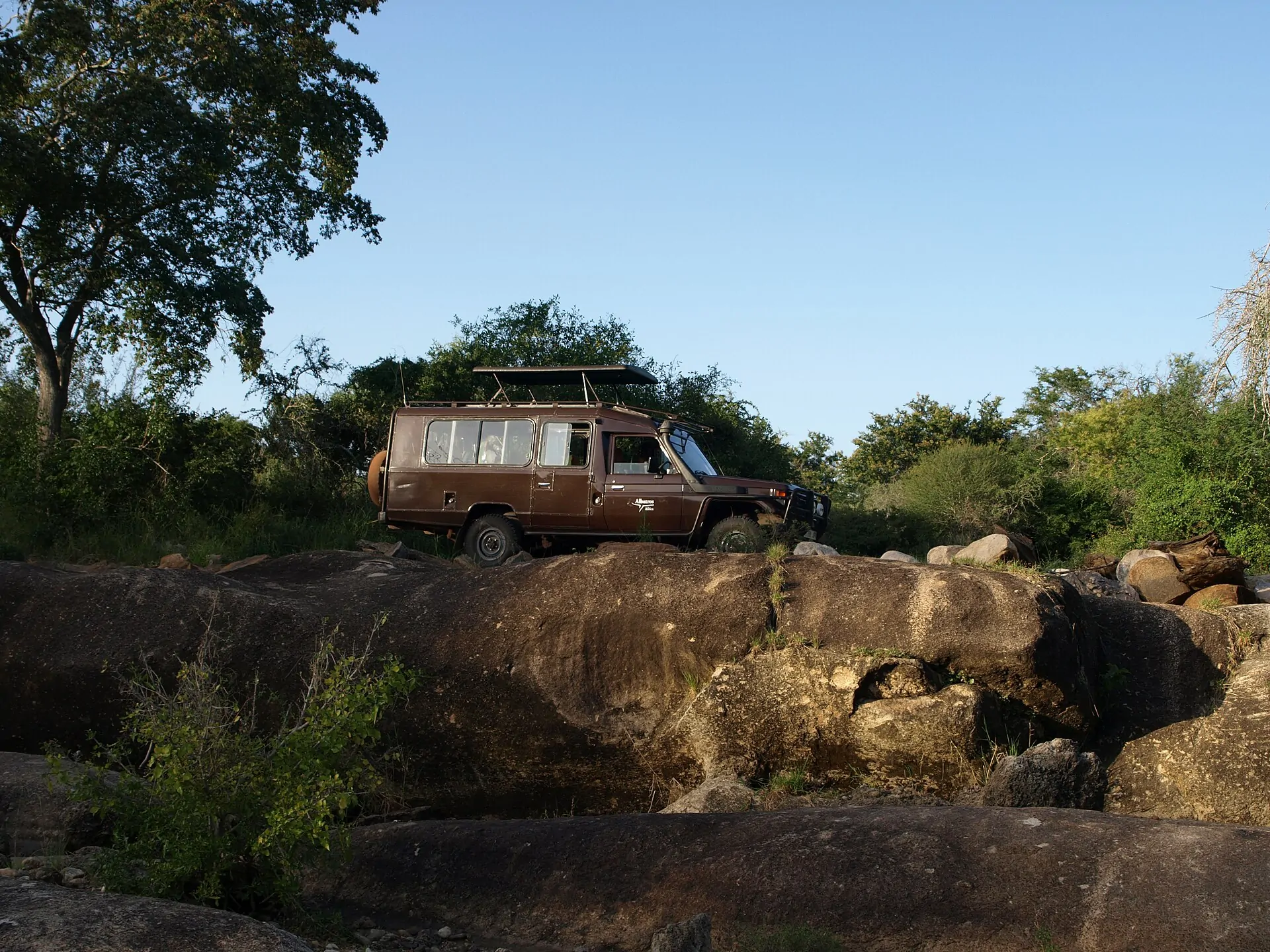
Explore open plains and acacia woodland with very few other vehicles, with chances to see elephant, giraffe, zebra, antelope and birdlife.
African wild dog conservation
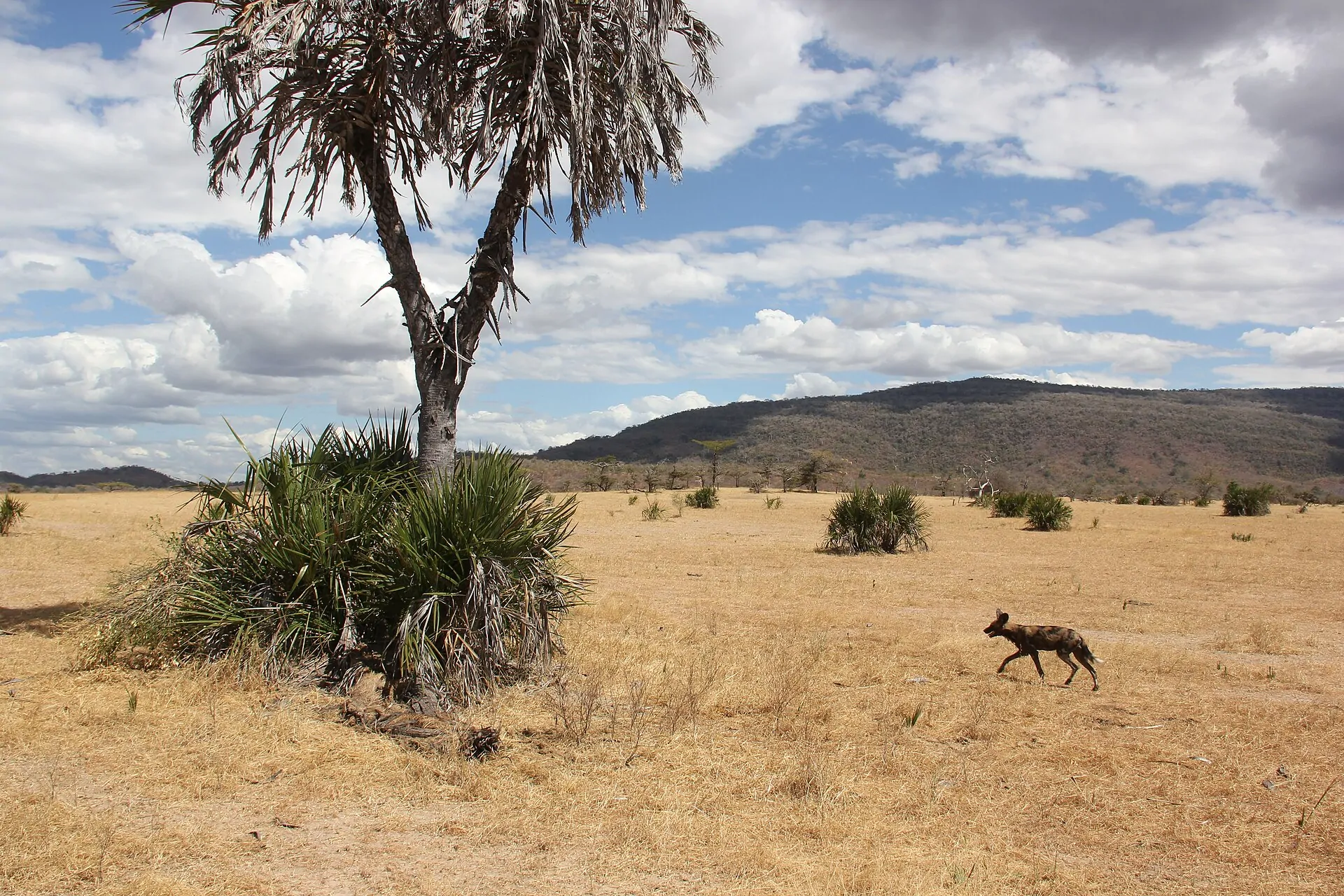
Mkomazi is also known for its work protecting African wild dogs, one of Africa’s most endangered carnivores.
Mountain-backed scenery
Enjoy wide horizons with the Pare Mountains nearby, and combine Mkomazi with the Usambara Mountains, Kilimanjaro or Zanzibar.
Conservation insight
Hear how rhino protection works, why it needs ongoing support and how responsible tourism helps pay for it.
Optional rhino support
Choose to support rhino protection through an approved programme, with clear information before you decide.
Support Rhino Protection With Your Journey
Rhino conservation depends on funding for rangers, monitoring, security and habitat protection. If you would like to help, Zege Safaris can guide you towards supporting rhino protection as an optional part of your trip.
Tell us your interest
Mention rhino support when you enquire. It is entirely optional and never required to visit Mkomazi.
We confirm what is available
We check with the relevant conservation partners which sponsorship or adoption options are officially approved at the time.
You decide
We explain in writing what the contribution supports, who receives it and what you will receive, before you commit.
Receive confirmation
Where the programme provides it, you receive confirmation or an update from the programme itself.
What this can include
- Supporting rhino protection and conservation work through an approved channel
- Learning how your contribution helps wildlife conservation
- Information about naming a rhino, where an approved programme allows it
What we do not promise
- That you can personally name a rhino, unless officially authorised by the relevant conservation authorities
- Touching, feeding or personally interacting with a rhino
- Any specific rhino sighting, which depends on park rules and conditions
Rhinos are protected wildlife. All visits follow TANAPA rules, and any adoption, sponsorship or naming option is subject to approval by the relevant conservation authorities. We will always tell you plainly what is and is not available.
Why Mkomazi Matters for Rhinos
Black rhinos are classed as critically endangered, having been heavily reduced by poaching across Africa. Mkomazi’s sanctuary is one of Tanzania’s rhino conservation efforts.
- Mkomazi National Park covers roughly 3,245 km² and is managed by Tanzania National Parks (TANAPA).
- Black rhinos were reintroduced through the George Adamson Wildlife Preservation Trust, with animals brought from other African countries and Europe.
- The rhinos are kept in a fenced sanctuary of about 55 km², which allows close protection and monitoring. A 2020 report cited more than 12 rhinos; current numbers may differ.
- The park also supports African wild dog conservation and a wide range of other wildlife.
Figures above are reported figures and may change. We will share up-to-date information when you enquire.
A Suggested Way to Experience Mkomazi
Mkomazi works as a day visit or as part of a longer itinerary. Timings, access and rhino visit arrangements depend on TANAPA and the season, so we tailor every trip.
Questions About Mkomazi and Rhino Support
Can I adopt or sponsor a rhino?
You can ask us about supporting rhino protection. We check which sponsorship or adoption options are officially approved at the time and explain them in writing before you commit anything.
Can I name a rhino?
Only where an approved conservation programme allows it. We do not promise naming unless it is officially authorised by the relevant conservation authorities, and we will tell you clearly if it is not available.
Will I be able to touch or interact with a rhino?
No. Rhinos are protected wild animals, and all visits follow TANAPA rules. Sightings are never guaranteed.
Is rhino support compulsory?
No. It is entirely optional. You can visit Mkomazi without contributing, and nobody is pressured to give.
Where does my contribution go?
Contributions are only directed through approved programmes. Before you decide, we explain who receives the money, what it supports and what confirmation you will get.
How do I get to Mkomazi?
Mkomazi lies in northern Tanzania, roughly east of Moshi near the Kenyan border. We arrange transport from Moshi, Arusha or Kilimanjaro, and can combine it with other destinations.
When is the best time to visit?
The dry seasons usually offer easier game viewing. Contact us with your dates and we will advise on conditions.
Travel Far. Protect What Matters.
Tell us your dates and interests and we will design a Mkomazi experience, and explain exactly what rhino support options are available.
Photo credits: Nicola Avery (Mkomazi landscapes, CC BY-SA 2.0), Laika ac (wild dog, CC BY-SA 2.0), U.S. Fish and Wildlife Service (rhino, public domain), via Wikimedia Commons.