Tanzania Safari Packing List: Everything You Need for an African Safari
What you pack can quietly make or break a safari. Pack too heavy and you will fight with luggage limits on small planes. Pack the wrong colours or no warm layer and you will be cold on a dawn game drive. This Tanzania safari packing list covers what to wear, what gear to bring, what documents and medication to prepare, and what to leave at home, so you can pack with confidence.
On This Page
- The Short Answer
- What to Wear on Safari in Tanzania
- Camera, Binoculars and Gadgets
- Sunscreen, Personal Care and Insect Protection
- Travel Documents and Money
- Medication and First-Aid Essentials
- Luggage Recommendations
- Packing Tips for Different Seasons
- What NOT to Bring
- Match Your Packing to Your Safari
- Frequently Asked Questions
The Short Answer
Pack light, neutral, layered clothing; a sturdy pair of closed shoes; a wide-brimmed hat, sunscreen and sunglasses; binoculars and a camera with spare batteries; a small first-aid kit and any personal medication; and your travel documents. Choose soft-sided luggage, because many safari flights have strict baggage limits. Everything else on this page helps you fine-tune that list for your season and itinerary.
Tick the boxes after printing, or save the page as a PDF.
What to Wear on Safari in Tanzania
Safari clothing should be comfortable, breathable and easy to layer. Mornings on a game drive can be cold, midday hot, and evenings cool again, so layers matter more than any single item.
Colours and fabrics
Choose khaki, olive, tan, brown and other earthy tones. Avoid bright white, which shows dust, and very dark colours, which can be hot. Many travellers also avoid dark blue and black in tsetse fly areas, where these colours may attract the insects, so ask your guide about conditions in your parks. Lightweight cotton or quick-dry synthetic fabrics work well.
Core clothing checklist
- 2 to 3 lightweight long-sleeve shirts, for sun and insect protection
- 2 to 3 short-sleeve shirts or T-shirts
- 2 pairs of lightweight trousers
- 1 pair of shorts for hot afternoons and camp
- A warm fleece or light down jacket for early morning drives
- A light waterproof jacket, especially for the rainy seasons
- A wide-brimmed hat or cap
- Underwear and socks, including a few pairs of comfortable walking socks
- Sleepwear and a swimsuit if your lodge has a pool or you are going to Zanzibar
- A scarf or buff for dust
Shoes
- Comfortable closed walking shoes or light hiking shoes with a good grip
- Sandals or flip-flops for the lodge
- Hiking boots if you are adding a Kilimanjaro climb
Heavy boots are not needed for a normal vehicle safari.
Camera, Binoculars and Gadgets
- Binoculars: 8×42 or 10×42 are popular, and a pair for each traveller makes a big difference to the experience
- Camera: a camera with a zoom lens (a 200 to 400mm range is popular for wildlife) or a good smartphone
- Spare batteries and memory cards: you may be away from charging for hours, so bring more than you think you need
- Dust protection: a lens cloth, a dust bag or a waterproof sack
- Power adaptor: Tanzania uses UK-style Type D and G sockets, so check your adaptor and confirm voltage for your devices
- Power bank for long game-drive days
- Headlamp or small torch for camp and early starts
- A beanbag or small travel tripod for stable shots from the vehicle
Sunscreen, Personal Care and Insect Protection
- High-factor sunscreen and lip balm with SPF
- Sunglasses, ideally polarised
- Insect repellent, as recommended for your itinerary
- Biodegradable toiletries, wet wipes and hand sanitiser
- Moisturiser, because the dry season air can be very dry
- A reusable water bottle
- A small towel or quick-dry towel if you are camping
Our guide to the best time to visit Tanzania explains how weather varies by month so you can add or drop warm layers.
Travel Documents and Money
- Passport valid for the period required by Tanzanian immigration, with enough blank pages. Check the current rules
- Visa or e-visa, if required for your nationality
- Proof of vaccination where required, such as yellow fever, depending on your route and country of origin
- Travel and medical insurance policy details, including emergency evacuation
- Flight tickets, safari confirmation and our contact numbers
- Cash in small notes and a card, for tips and extras
- Photocopies or digital copies of key documents, kept separately
Entry rules change, so always confirm them with the official Tanzania Immigration Services website and your own government’s travel advice before you go.
Medication and First-Aid Essentials
See a travel clinic or doctor well before departure for advice on vaccinations and malaria prevention. The CDC travel health page for Tanzania and the World Health Organization provide general guidance, but your own doctor should advise you personally.
- Any prescription medication in original packaging, with a doctor’s letter if needed
- Anti-malarial medication, if prescribed for you
- Pain relief, anti-diarrhoea tablets and oral rehydration salts
- Antihistamines and any allergy medication
- Plasters, blister treatment, antiseptic wipes and a small bandage
- Motion-sickness tablets, since some dirt roads are bumpy
- Spare glasses or contact lenses and solution
Luggage Recommendations
Use a soft-sided duffel bag, not a hard suitcase. Light aircraft and some safari vehicles have limited space, and baggage allowances on domestic flights are often strict, commonly around 15kg in a soft bag, though you should confirm the limit for your own flights. Add a small daypack for your camera, water, jacket and sunscreen on game drives. Many lodges offer laundry service, which means you can pack less.
Packing Tips for Different Seasons
| Season | Add to your bag | Notes |
|---|---|---|
| Dry season (Jun – Oct) | Warm fleece, hat, scarf or buff, extra sunscreen, dust protection | Cold mornings, dusty roads |
| Short rains (Nov – Dec) | Light rain jacket, extra insect repellent | Mix of sun and showers |
| Long rains (Mar – May) | Waterproof jacket, quick-dry clothes, waterproof camera cover | Some roads muddy |
| Jan – Feb | Sun protection, light layers | Hot days |
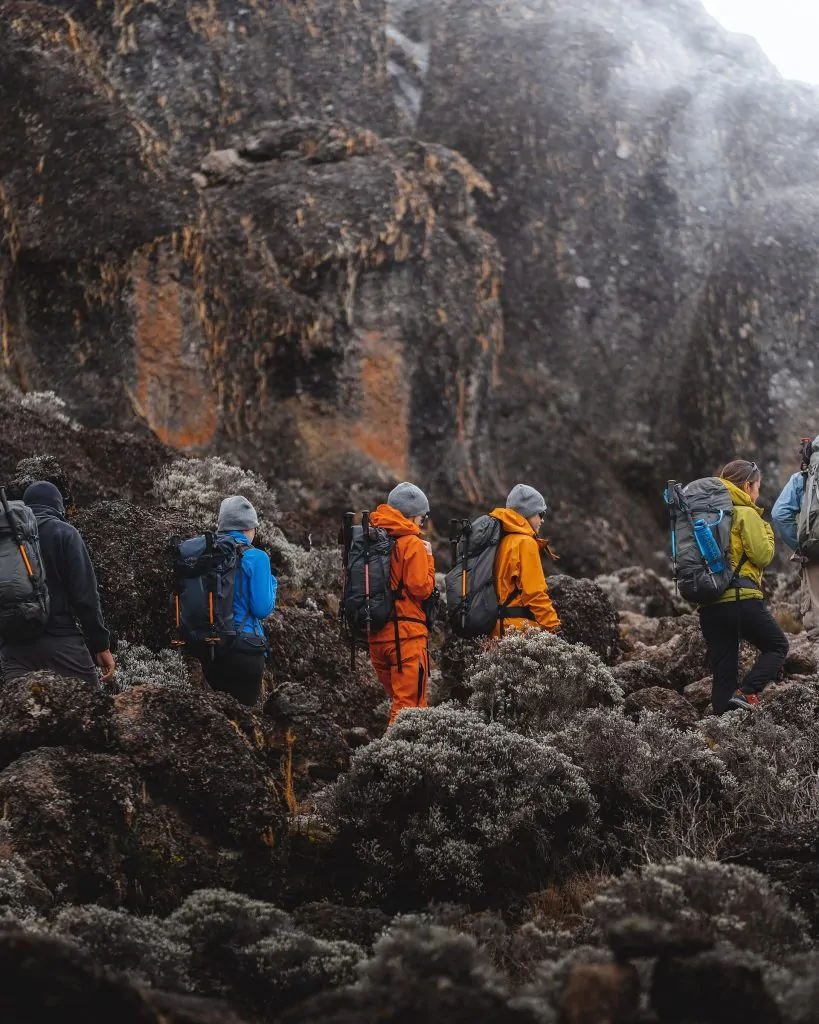
| Kilimanjaro | Thermal layers, hiking boots, gloves, warm hat | Expect cold at altitude |
| Zanzibar | Swimwear, light clothes, reef-safe sunscreen | Hot and humid |
What NOT to Bring
- Bright white, camouflage or military-style clothing: camouflage clothing is restricted in some East African countries, so avoid it altogether
- Plastic bags: plastic bag use is banned in Tanzania, so avoid bringing them. Check current rules
- Drones: drones generally need permits and are restricted in national parks, so leave them at home unless you have arranged permission
- Heavy hard-shell suitcases: they are difficult for light aircraft and vehicles
- Strong perfume or scented products: they attract insects
- Expensive jewellery and unnecessary valuables
- Too many clothes: you can usually wash them at the lodge
The rules on plastic bags, drones and clothing are enforced by local authorities and can change, so ask us if you are unsure before you travel.
Match Your Packing to Your Safari
- On a Serengeti safari or Ngorongoro Crater trip, the crater rim and the plains can be cold early in the morning, so keep your fleece handy
- For Tarangire or Lake Manyara, binoculars are essential, because the birdlife is excellent
- For a Zanzibar beach extension, add swimwear and reef-friendly sunscreen
- For a Kilimanjaro trek, use a specialist trekking checklist from your operator
If you are still planning, see our 4-day Tanzania safari adventure or browse all safari packages.
Need Help Finishing Your Packing List?
Tell us your dates and itinerary and we will suggest what to pack, then send a free, no-obligation quote for your Tanzania safari.
Frequently Asked Questions
What should I wear on safari in Tanzania?
Light, breathable layers in neutral colours, a warm fleece for the morning, a hat, sunglasses and comfortable closed shoes. Long sleeves help against the sun and insects.
What colours should I avoid on safari?
Avoid bright white, very bright colours and, in tsetse fly areas, dark blue and black. Camouflage clothing should be avoided entirely.
Is it cold on safari in Tanzania?
Mornings and evenings can be cold, especially from June to October and at altitude in places such as the Ngorongoro Highlands, even when the days are hot.
Do I need hiking boots for a safari?
No, not for a normal vehicle safari. Comfortable closed shoes are enough. You will need proper hiking boots if you climb Kilimanjaro.
What type of luggage is best for a safari?
A soft-sided duffel bag with a small daypack. Check the weight limit for any domestic flights.
Can I bring a drone to Tanzania?
Drones are generally restricted and need permission, so do not bring one unless you have arranged this in advance with the authorities.
What camera equipment is best for safari?
A camera with a zoom lens or a good smartphone, spare batteries, memory cards and a dust cover. Binoculars improve the experience for everyone.
Do I need malaria tablets?
Malaria is present in much of Tanzania. Speak to your doctor or a travel clinic about prevention well before you travel.